
Beauty with a Purpose: How Ethical Butterfly Farming Saves Rainforests
When you hold a beautifully preserved butterfly specimen in your hands, it’s natural to wonder about its origin story. Where did it come from? Did its collection harm the local ecosystem?
At The Naturalist Desk, these questions are at the heart of everything we do. The surprising truth is that sustainable entomology doesn’t just avoid harming nature—it is actively helping to protect some of the most vulnerable rainforests on our planet.
Here is a look behind the scenes at how ethical butterfly ranching turns passion for preservation into powerful conservation.
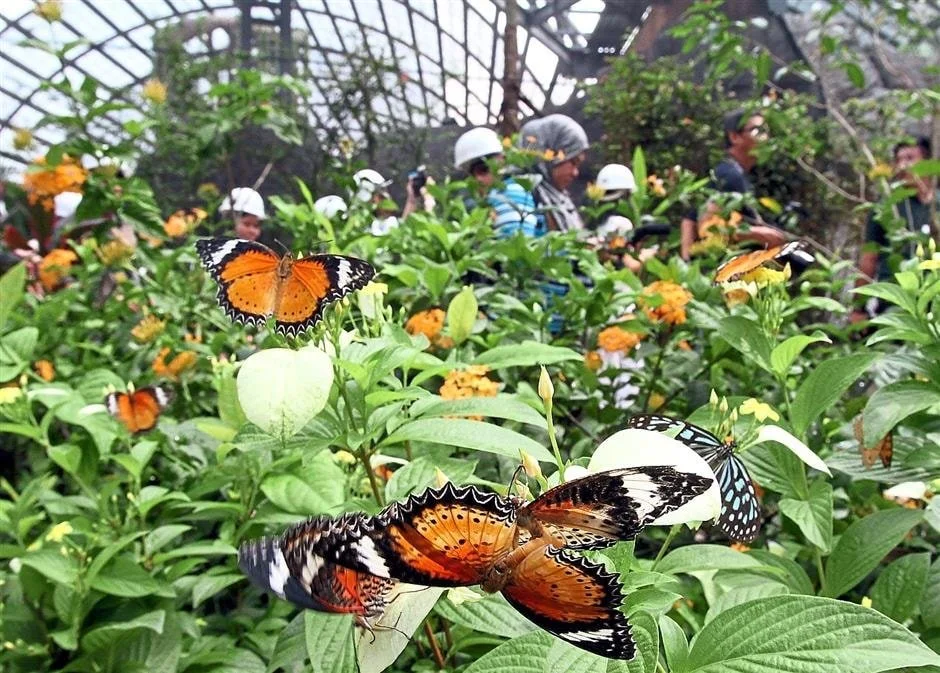
A butterfly farm: a living atelier where winged mosaics drift through sun-warmed air, each flutter a quiet hymn to delicate design. Beneath tropical canopy, iridescent morphos, jewel-toned swallowtails, and pale monarchs mingle as caterpillars feed and chrysalises hang like carved green gems. Guided tours show captive rearing—egg collection, larval feeding, pupation, release—rooted in habitat restoration, species conservation, and ethical education. For observers and lovers of detail, the farm offers intimate study of color, pattern, and metamorphosis—a serene garden that is classroom and sanctuary, where small, thoughtful acts sustain extraordinary beauty.
The Economics of a Standing Forest
For many rural and indigenous communities living near tropical rainforests, economic survival often forces a difficult choice between logging, cattle ranching, or slash-and-burn agriculture. All of these activities require clearing the forest.
Butterfly farming changes the equation.
Because wild butterflies require intact, diverse native plants to feed on and lay eggs, local populations must keep the surrounding jungle perfectly healthy to keep their farms running. A standing, thriving rainforest suddenly becomes far more valuable to the local economy than cleared land.
How Ethical Farming Works: A Life Cycle Focus
Ethical insect ranching relies on a deep understanding of biology and strict conservation parameters. Here is how the sustainable cycle operates:
Habitat Cultivation: Farmers plant specific, native host vegetation to attract wild female butterflies, who enter the open or netted enclosures to lay their eggs.
Protected Rearing: Eggs and caterpillars are carefully gathered and raised in protected environments, shielding them from natural predators like wasps, birds, and viruses. In the wild, fewer than 5% of eggs survive to adulthood; in a ranching environment, that survival rate jumps to over 85%.
The 10-20% Release Rule: To support wild populations, ethical farms release a mandated portion (typically between 10% to 20%) of the healthy, hatched adult butterflies back into the native jungle. This continuously supplements and strengthens the wild gene pool.
Natural Lifespans: The adult butterflies remaining in the habitat live out their natural lifespans—which can range from a few days to a few weeks depending on the species. Only after they pass away naturally are they collected, carefully dried, and prepared for educators, museums, and collectors.
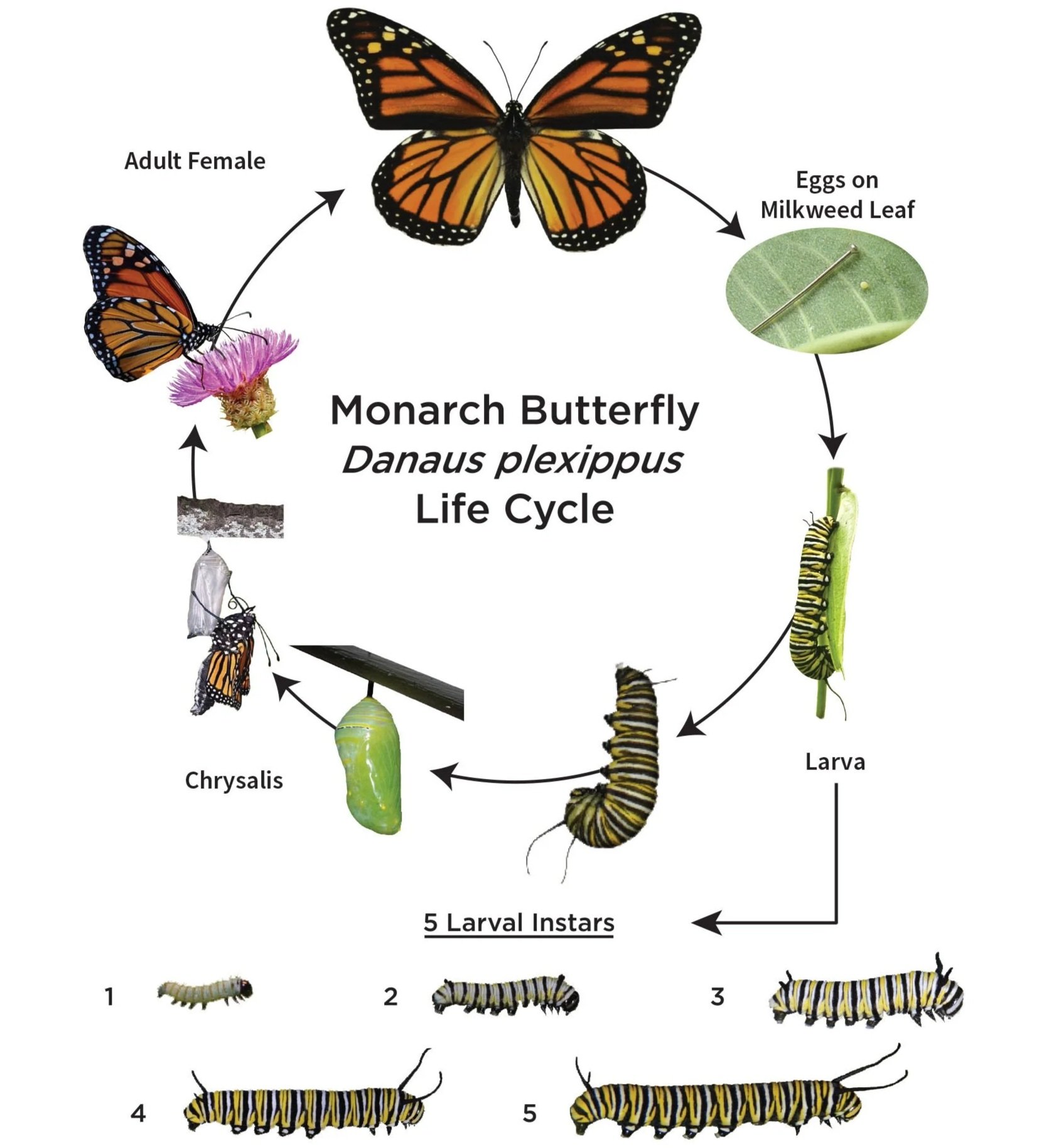
Monarch Butterfly Life Cycle
Conservation Impact by the Numbers
Response to Poaching: Sustainable farms flood the market with legally compliant, high-quality specimens, driving down prices and eliminating the financial incentive for illegal wild poaching.
Alternative Income: According to global conservation data, butterfly ranching provides reliable income for thousands of families across Peru, Costa Rica, Indonesia, and Kenya, specifically empowering women and smallholders.
Our Promise at The Naturalist Desk
We believe that curating a personal collection should never come at the expense of the earth. By sourcing exclusively from verified, permitted sustainable farms and fair-trade global cooperatives, we help fund habitat preservation and provide green jobs worldwide.
Every specimen on your desk tells a story of a forest kept standing, a community supported, and a delicate ecosystem protected.
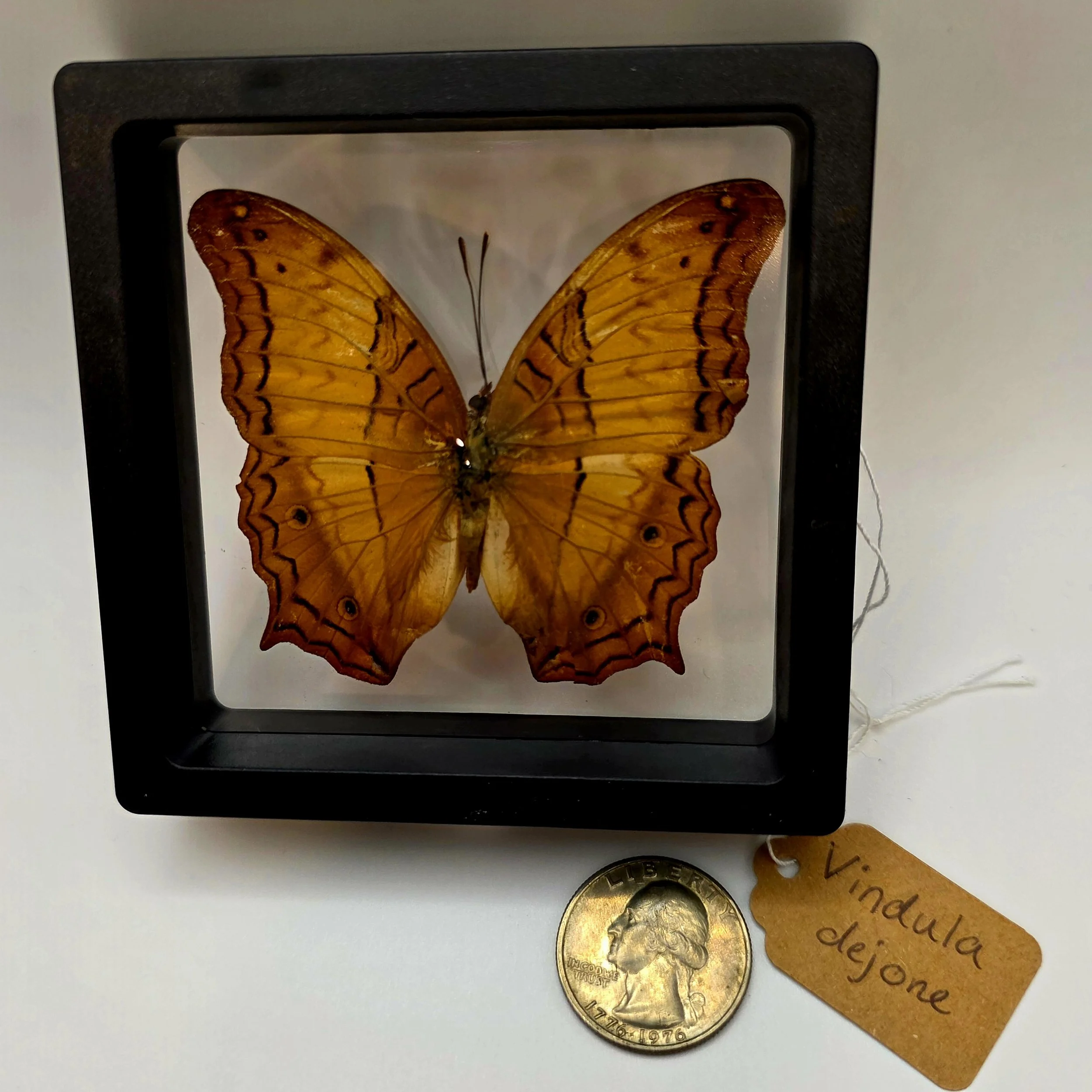
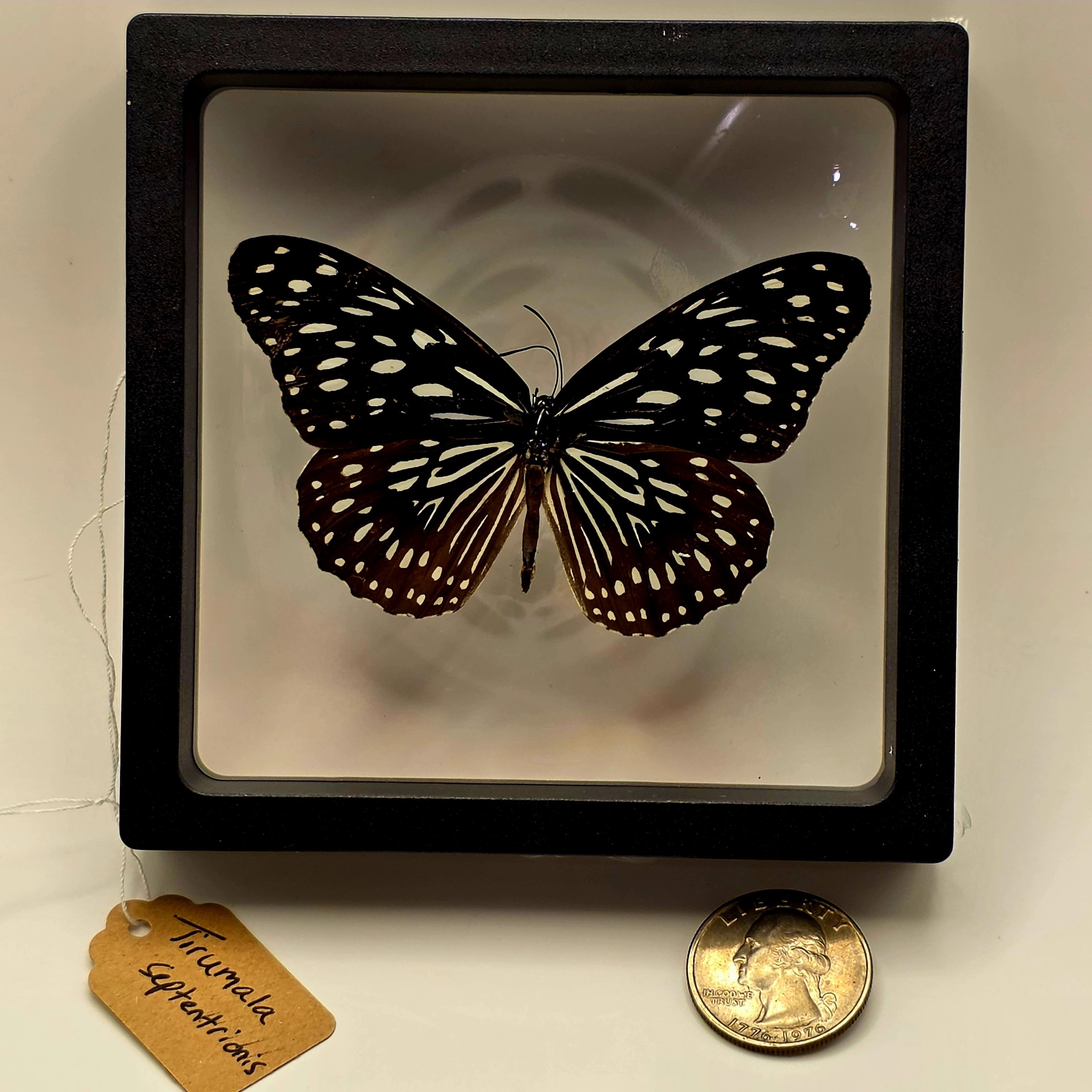
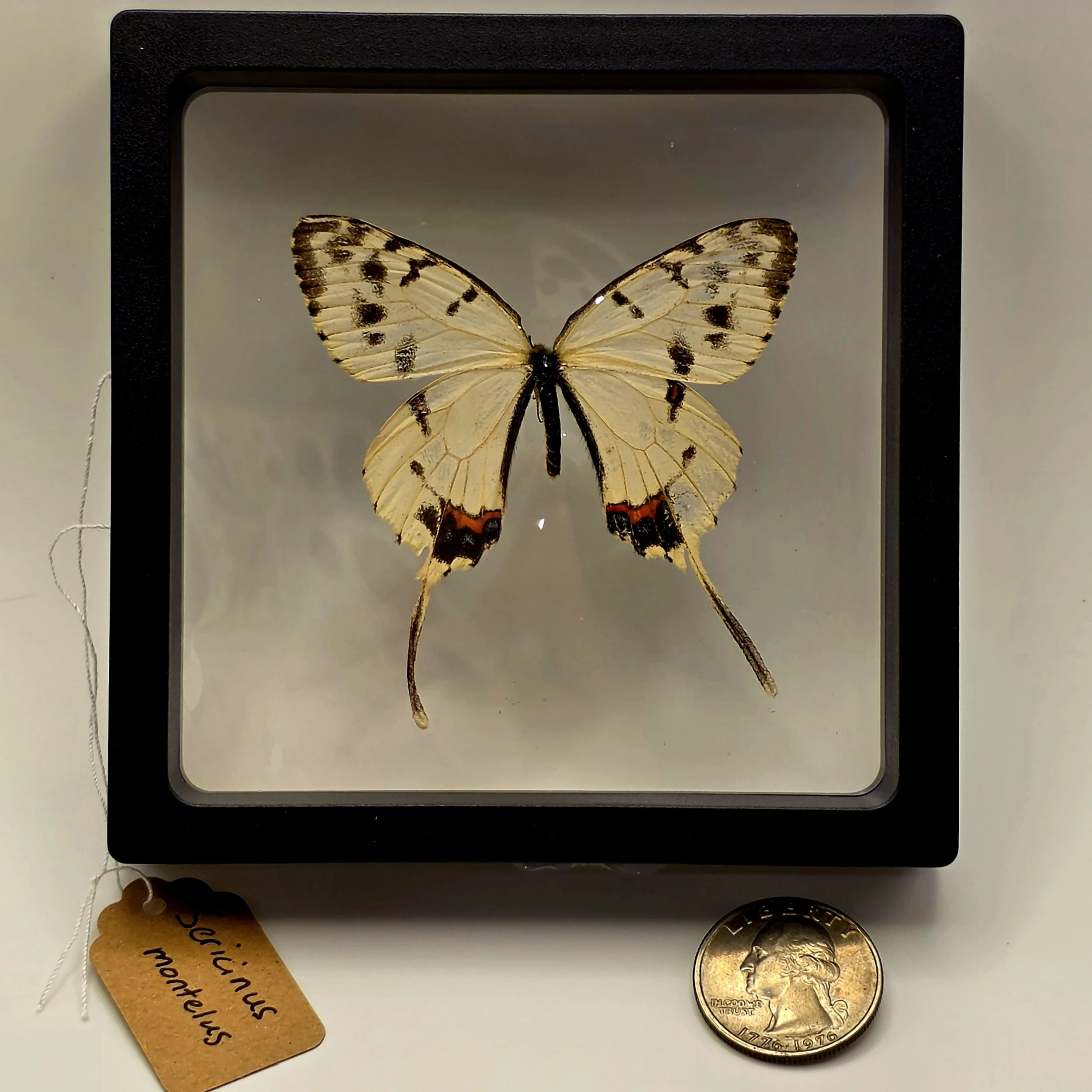
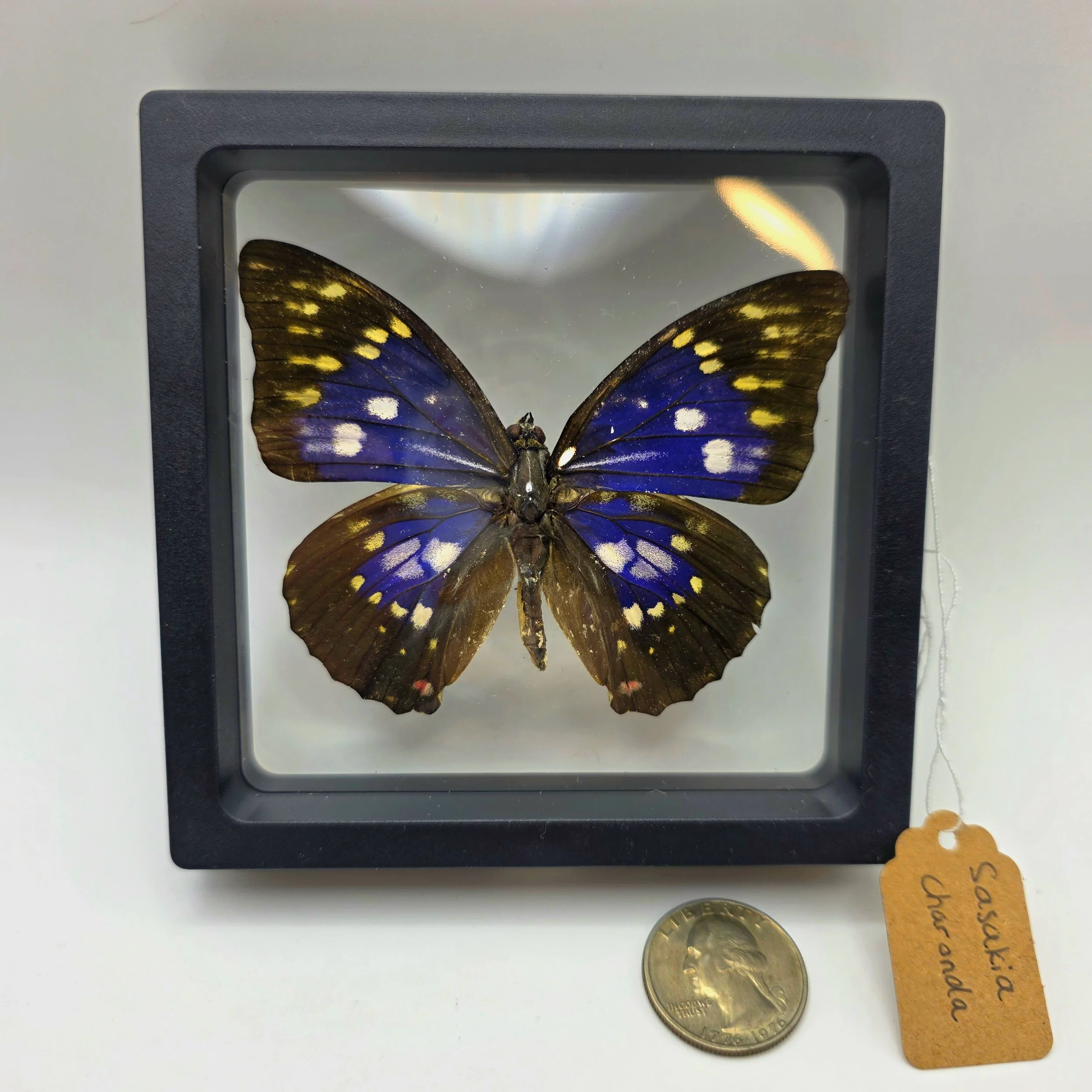
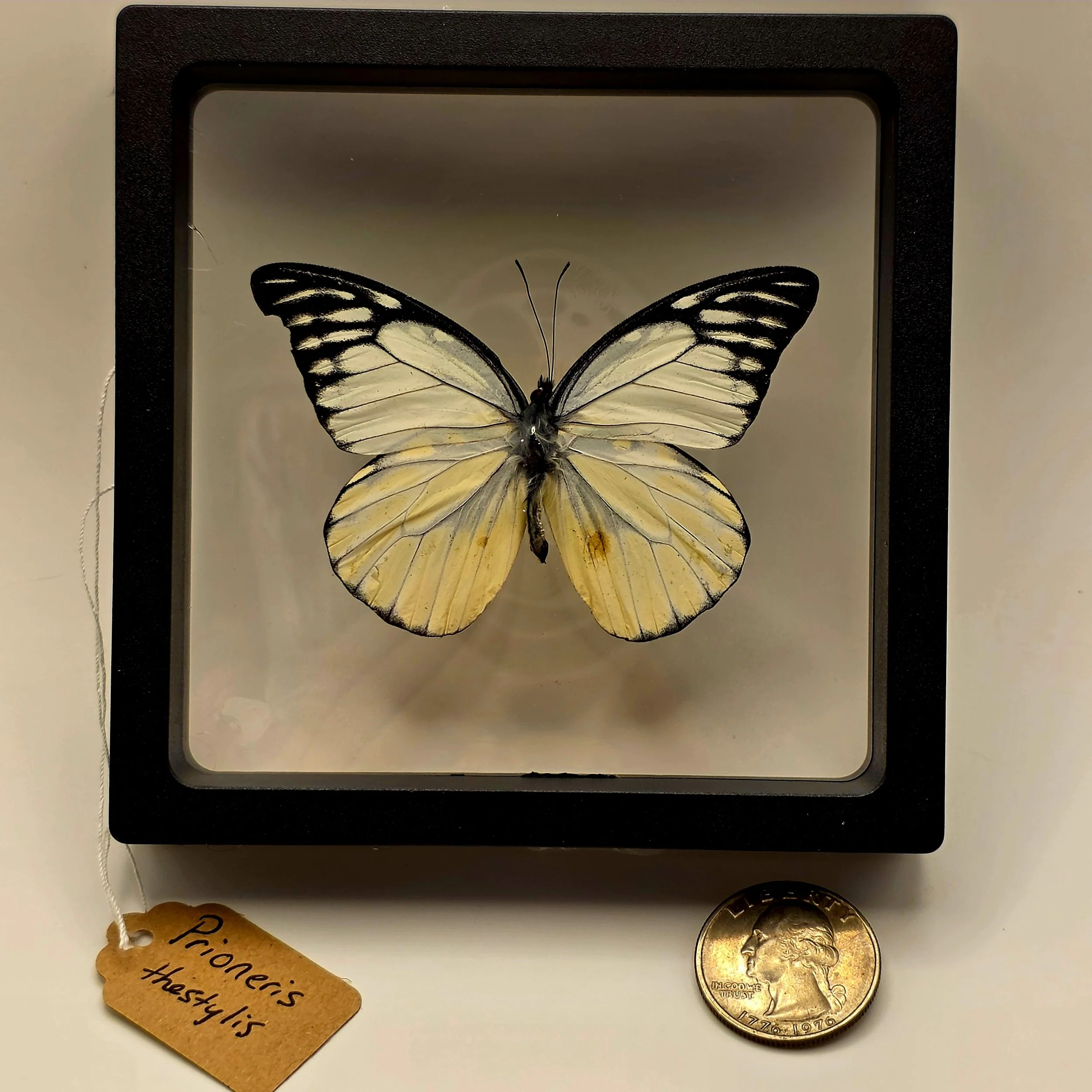
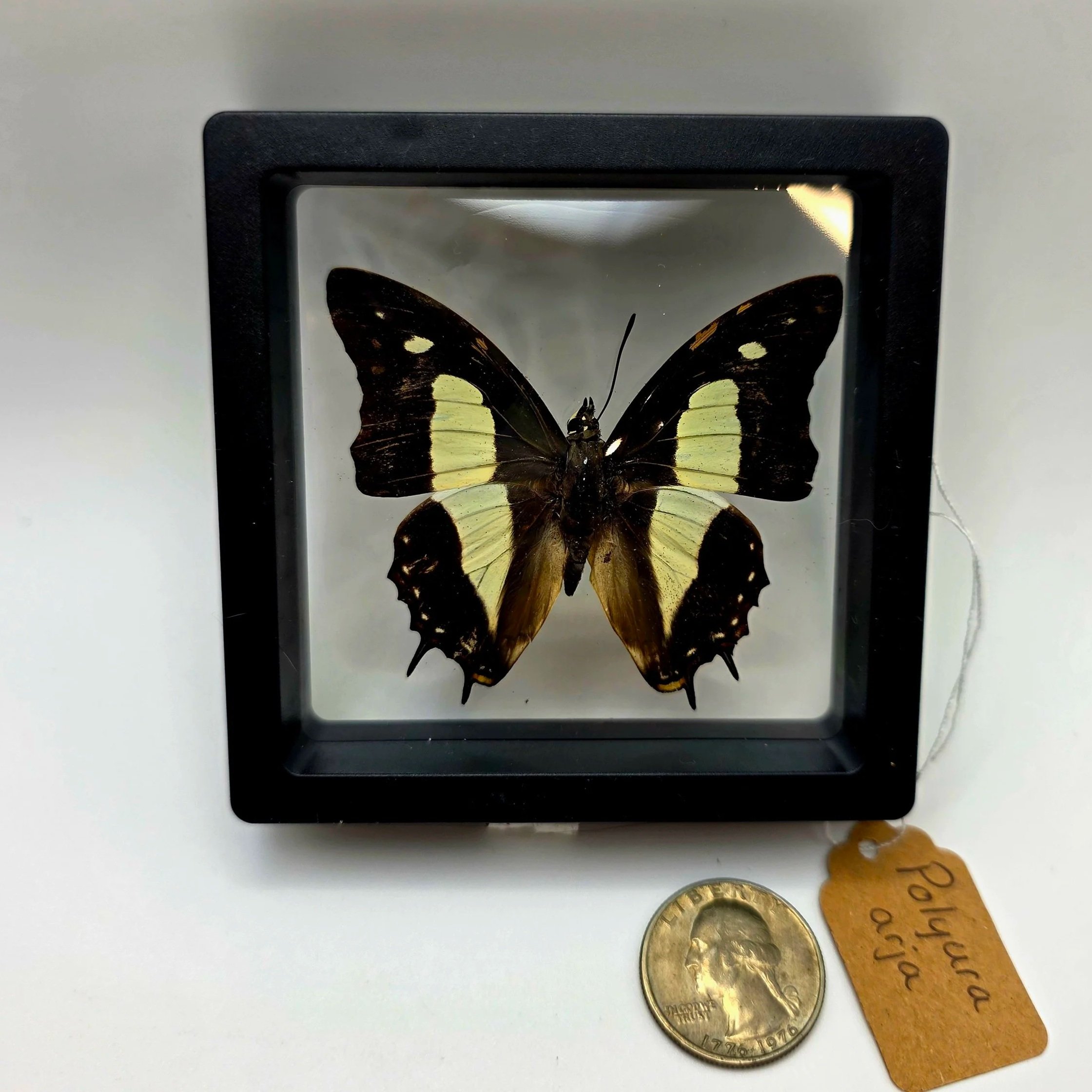
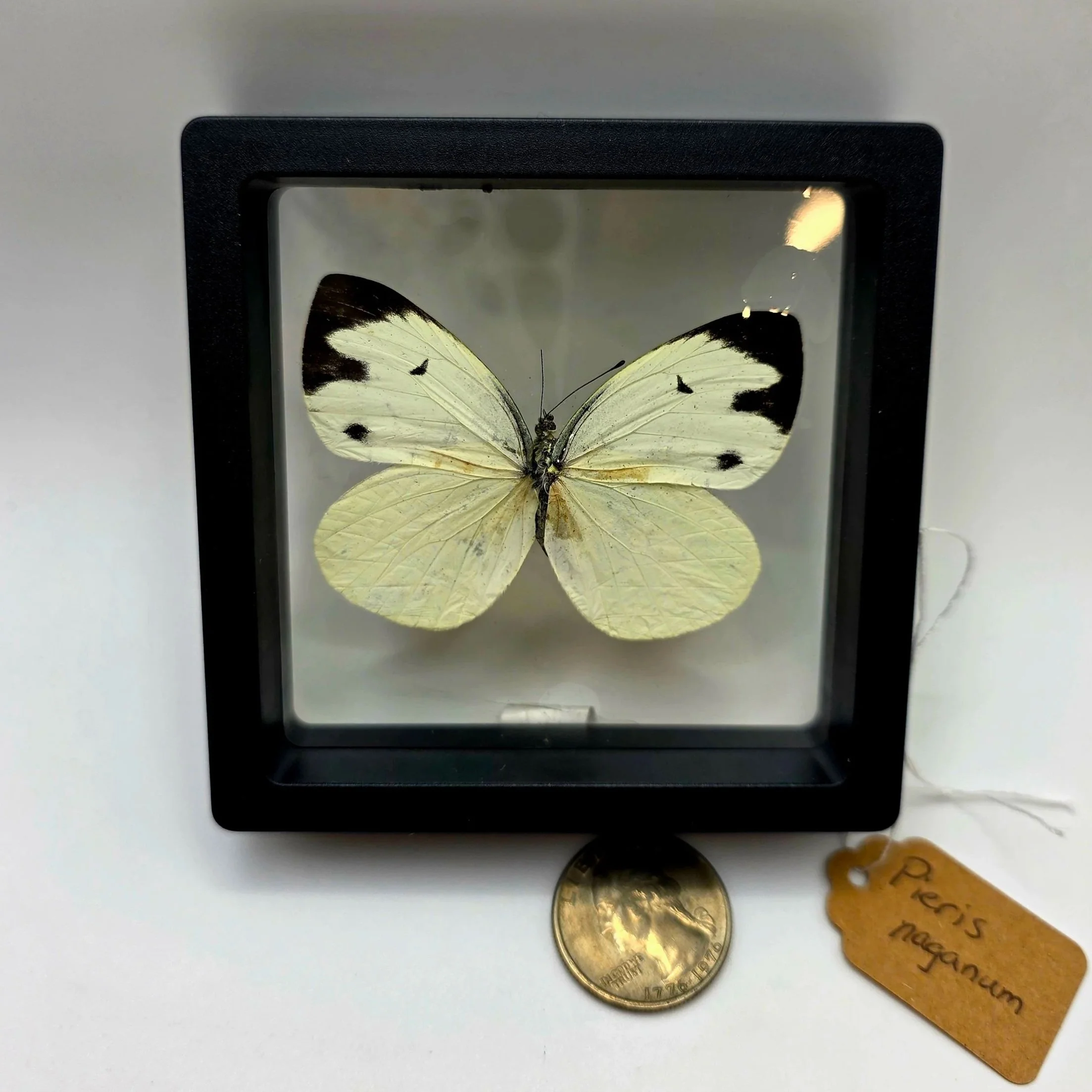
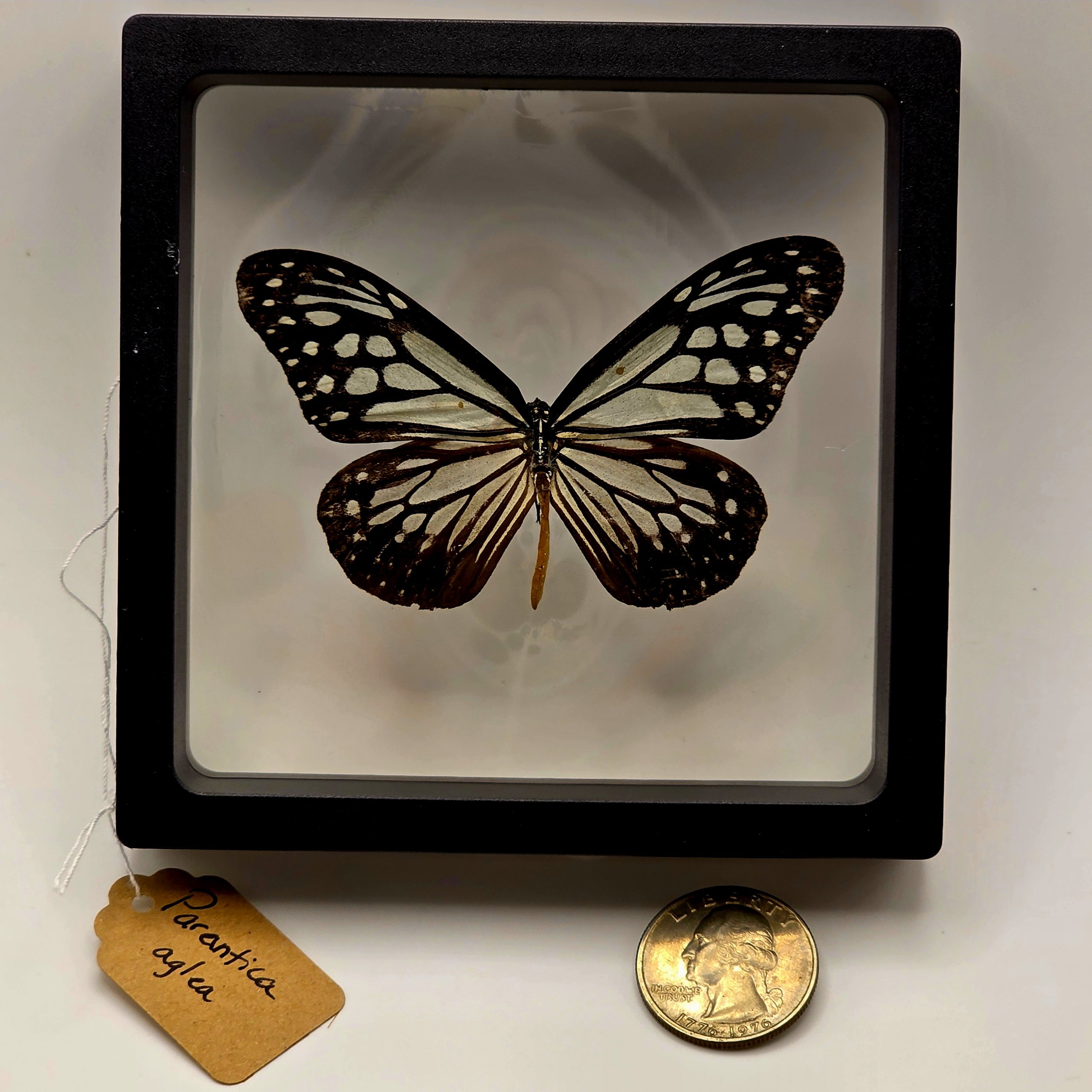
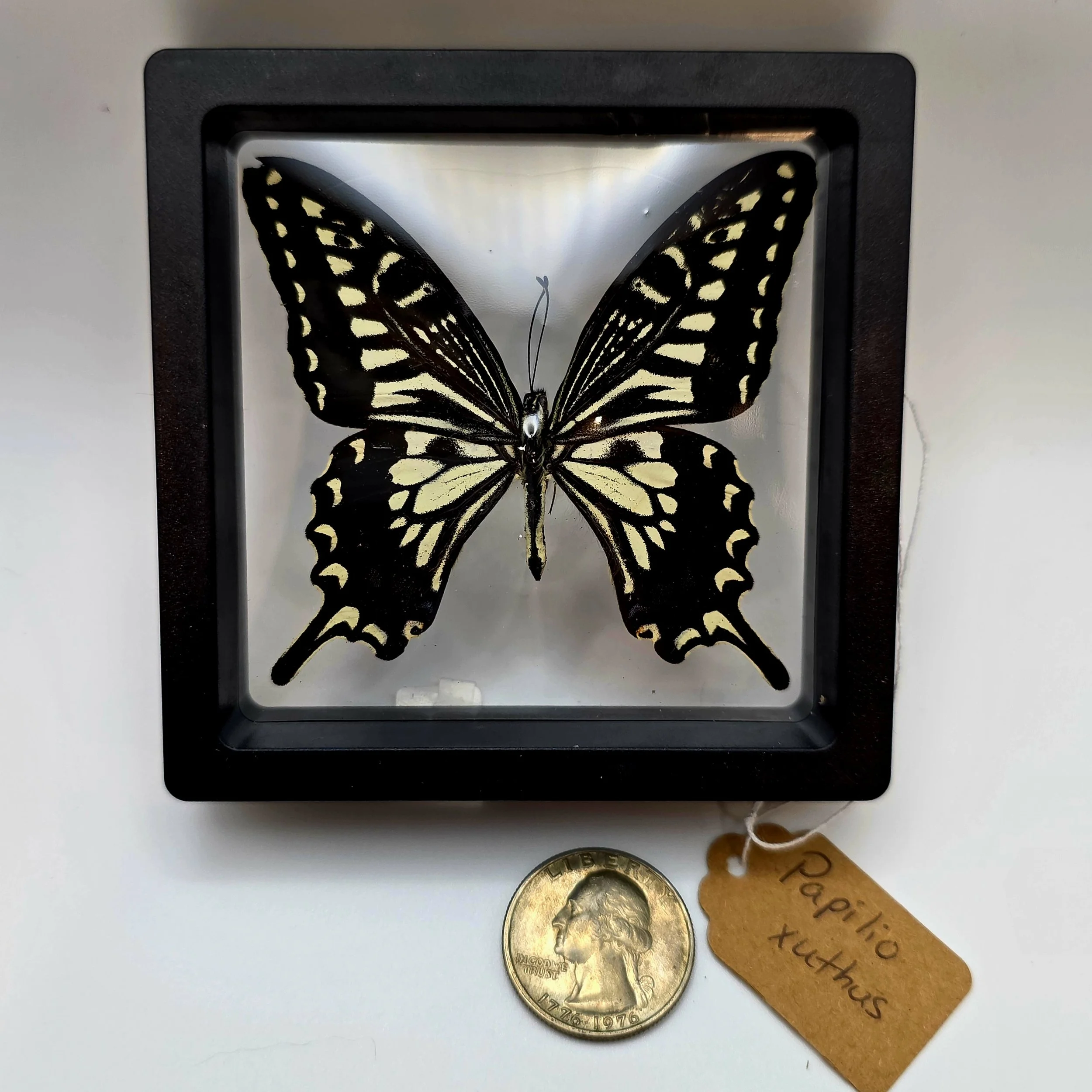
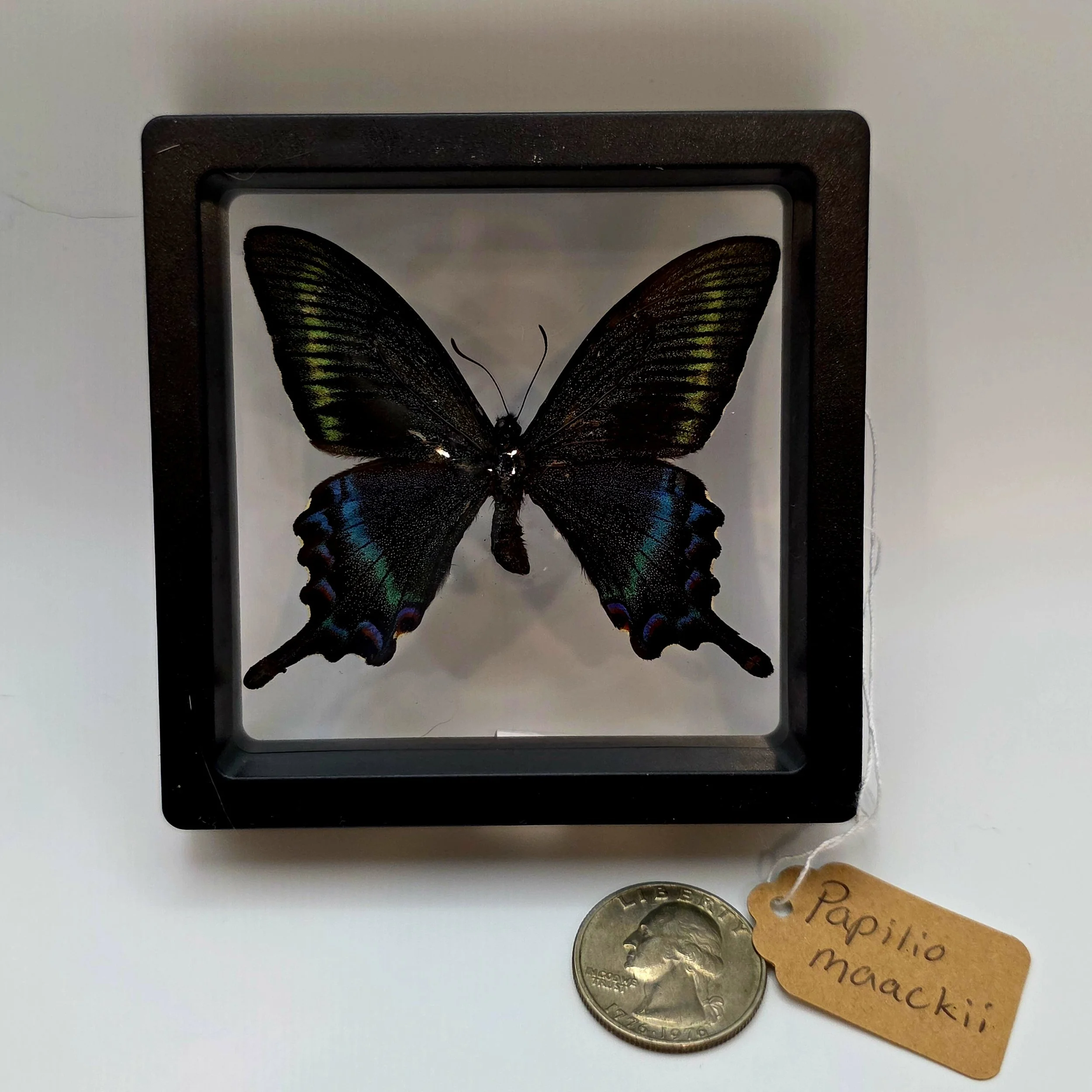
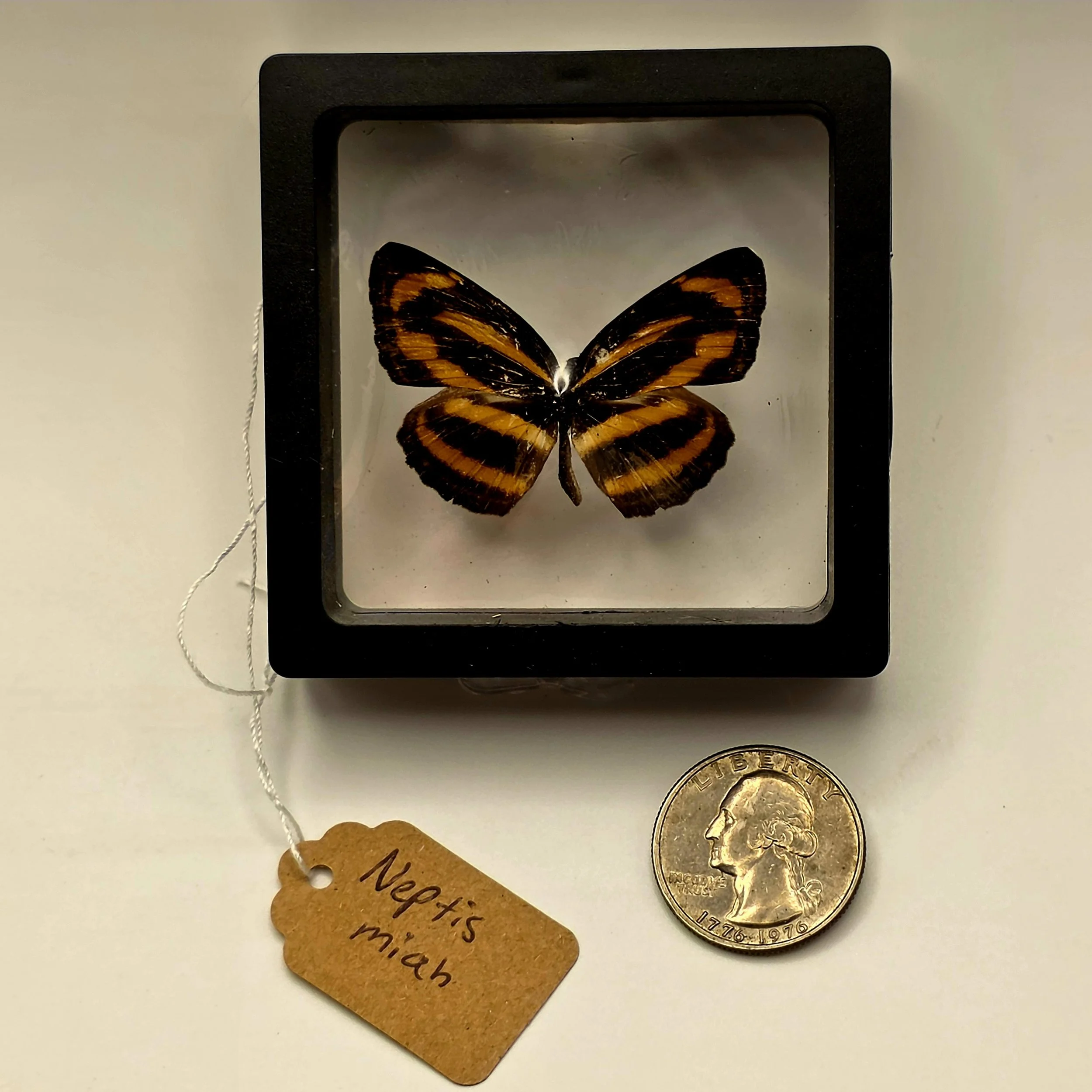
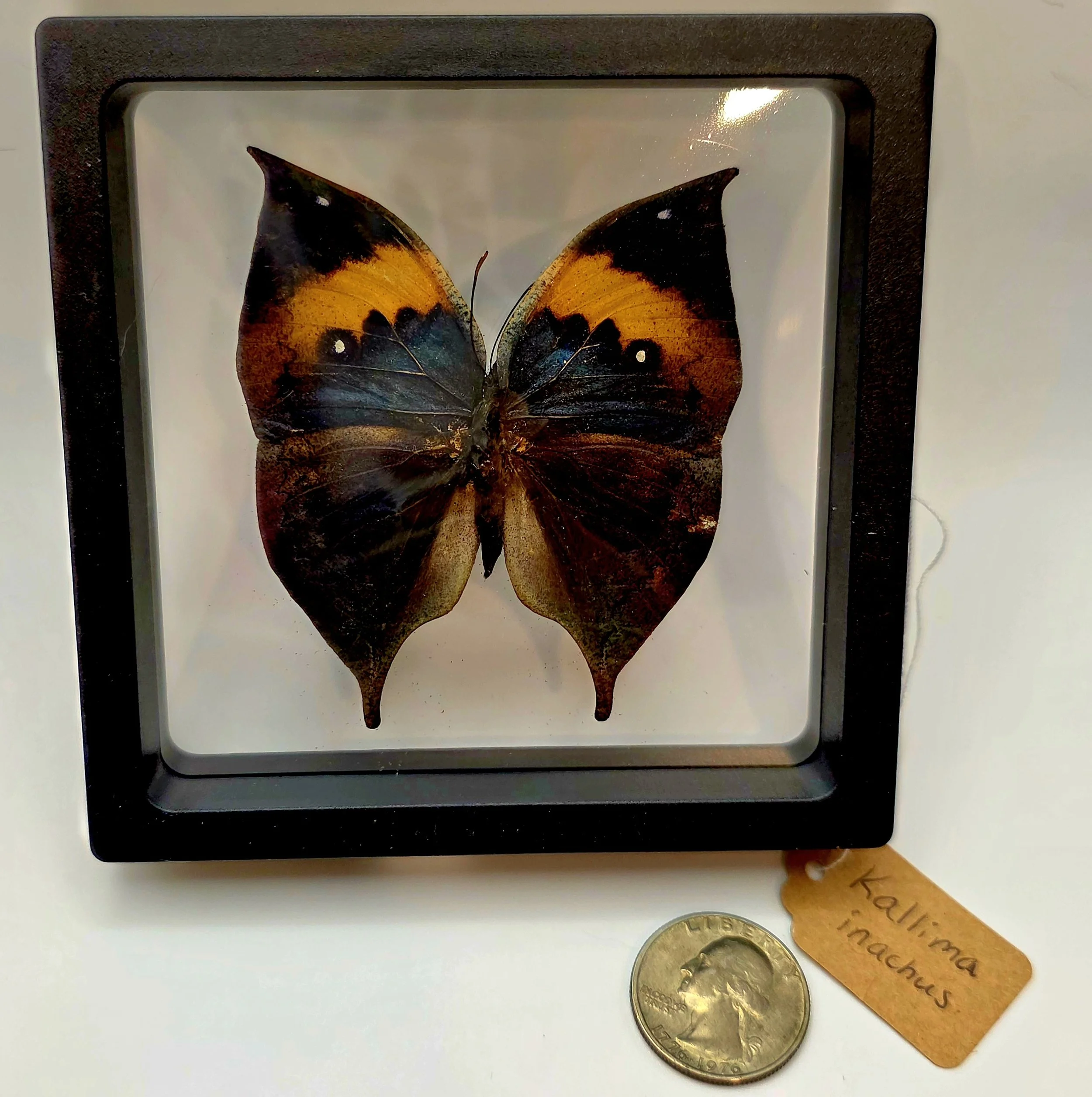
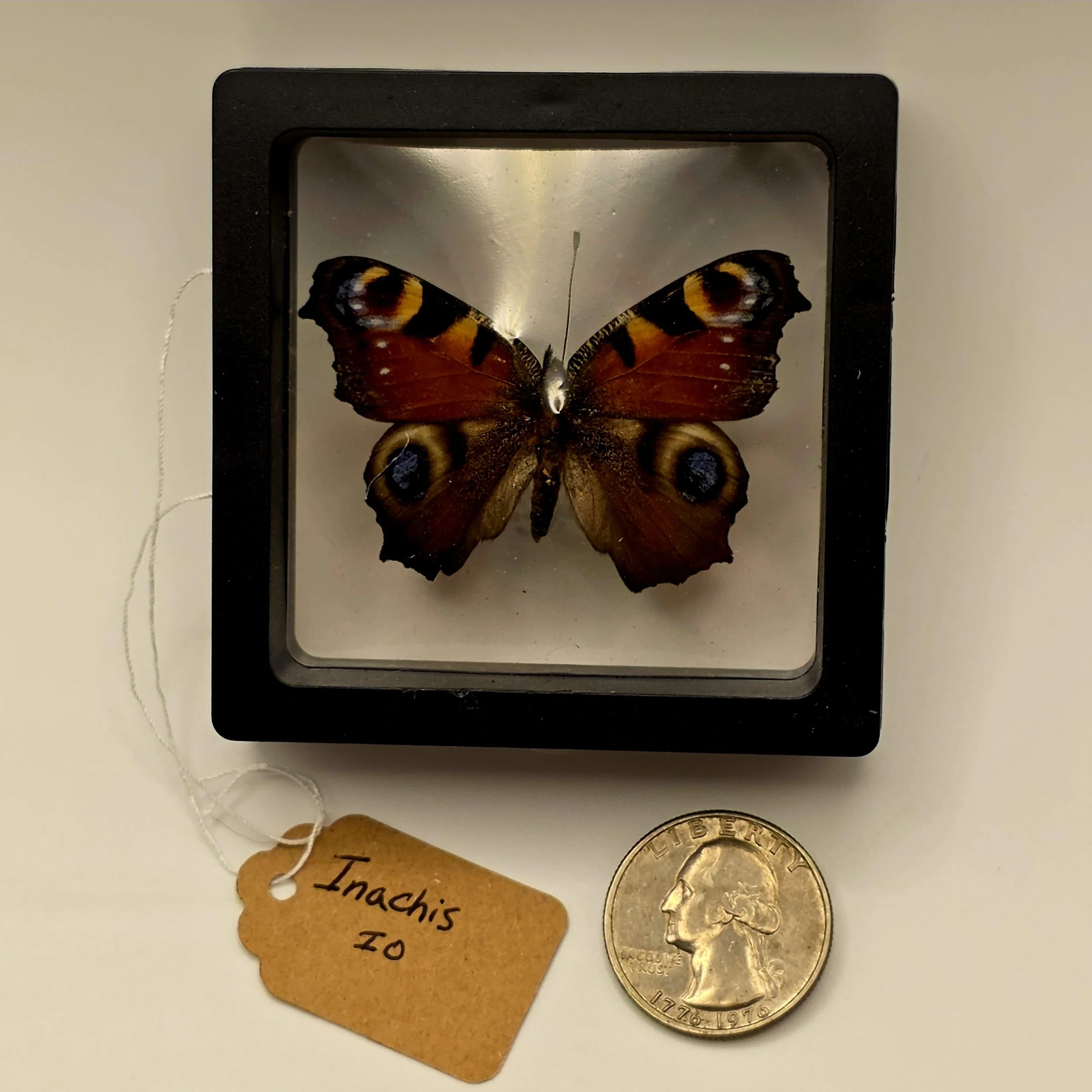
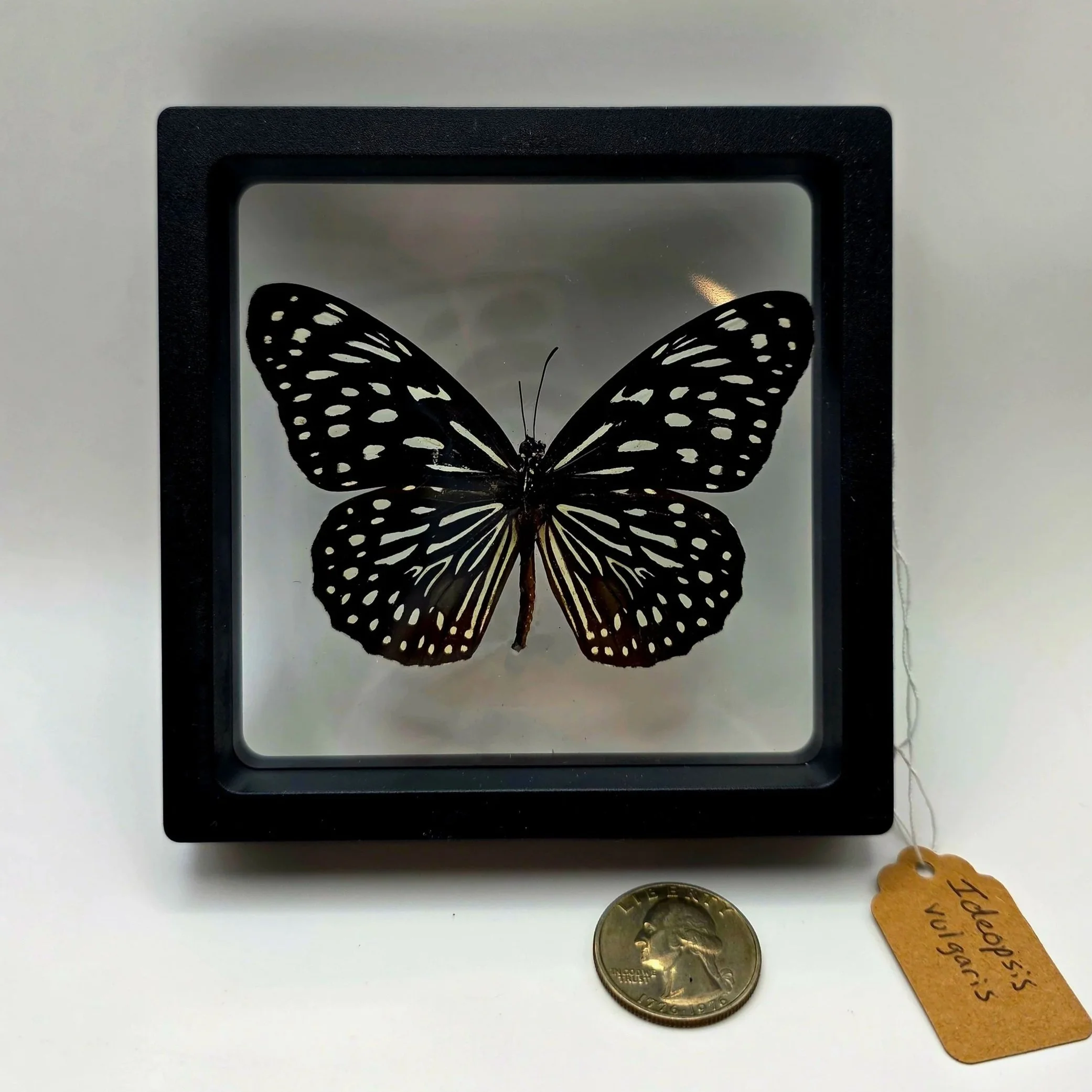
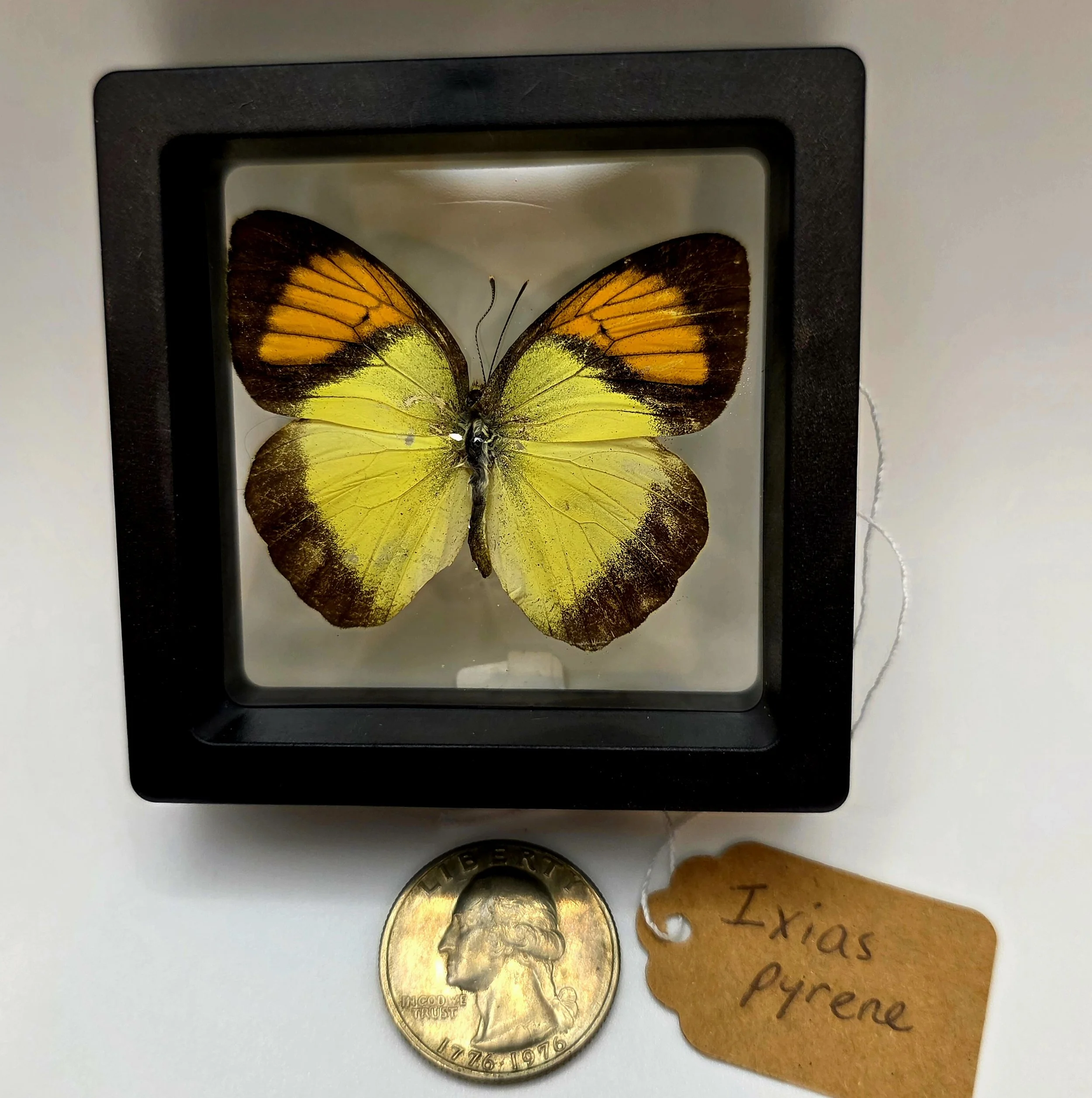
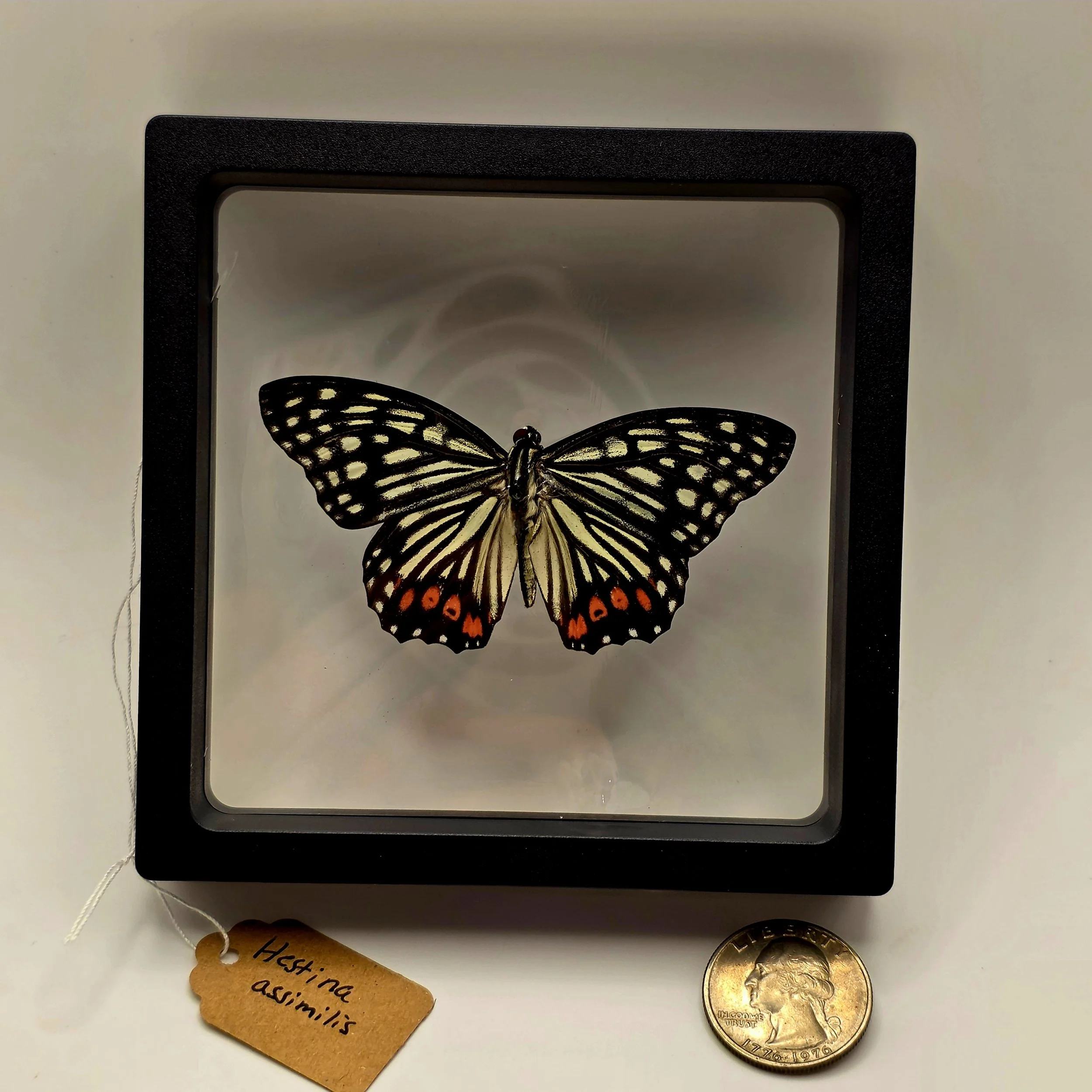
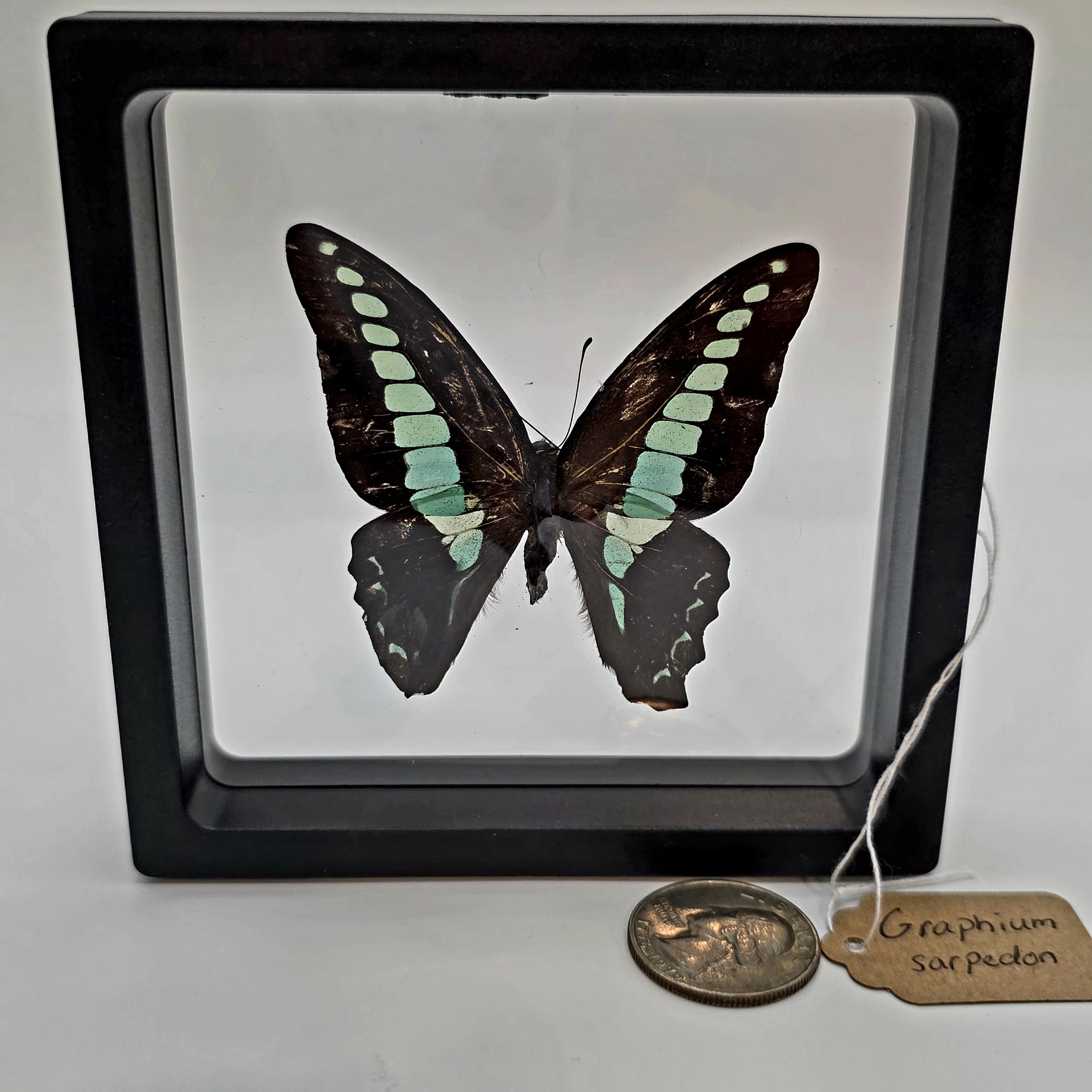
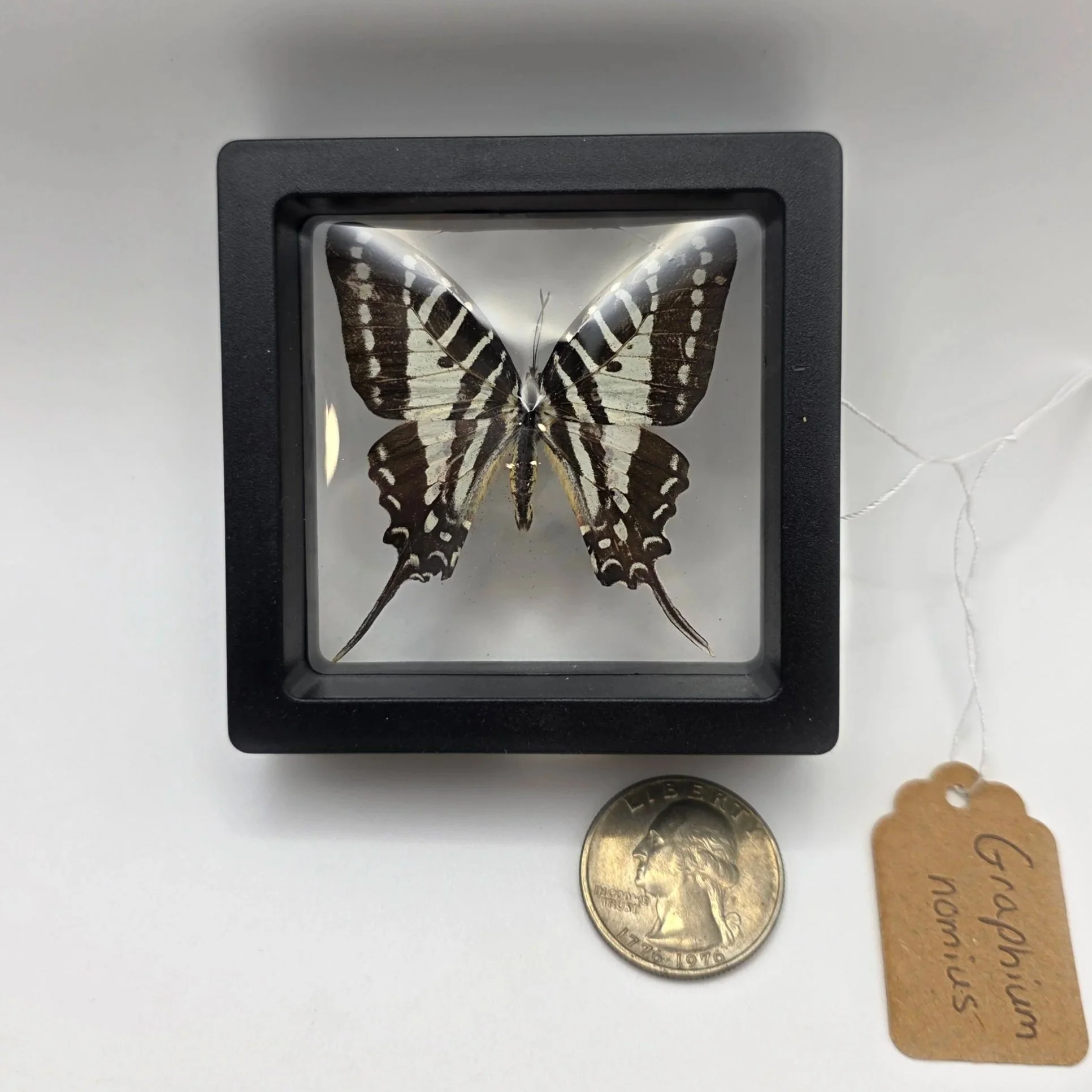
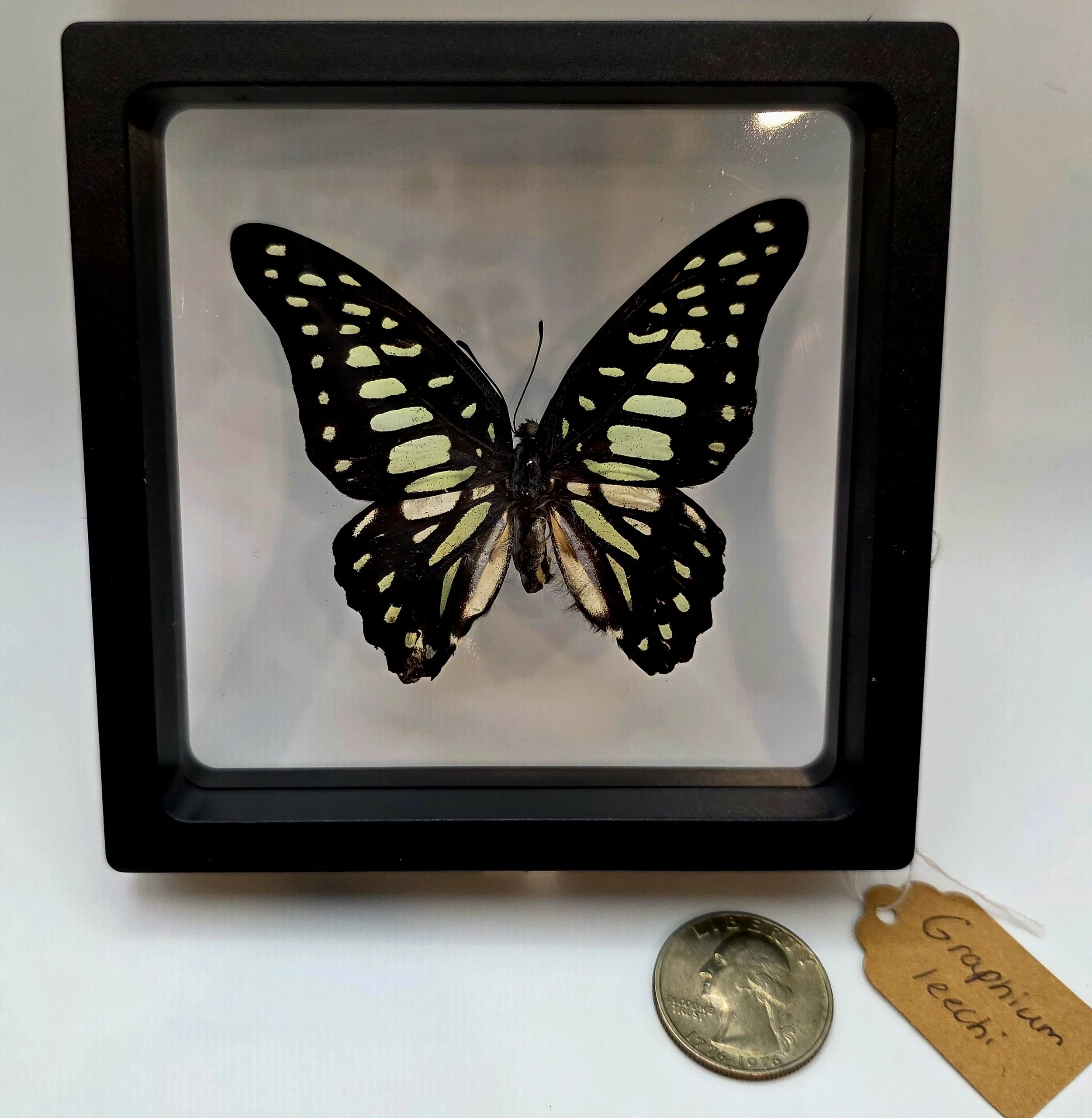
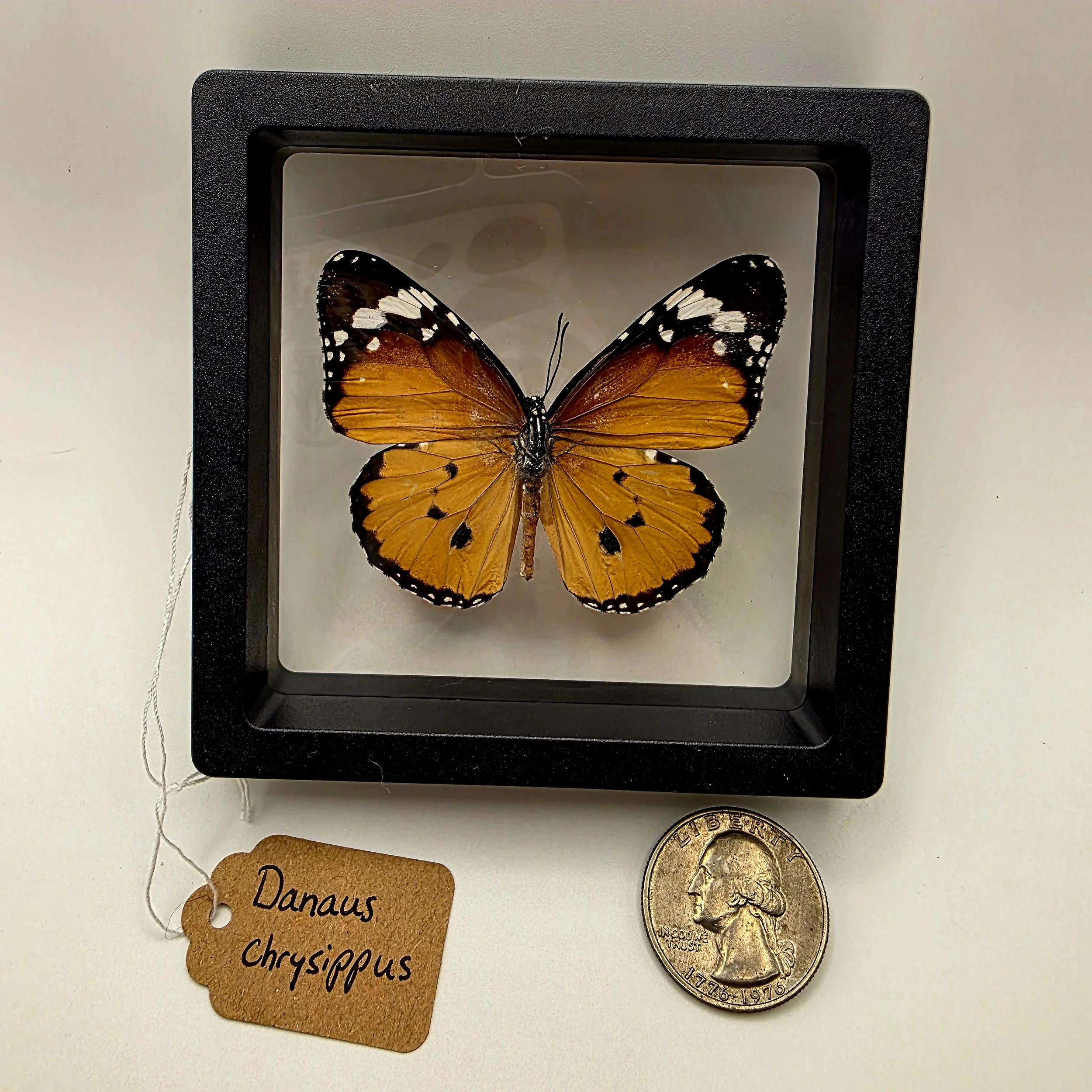
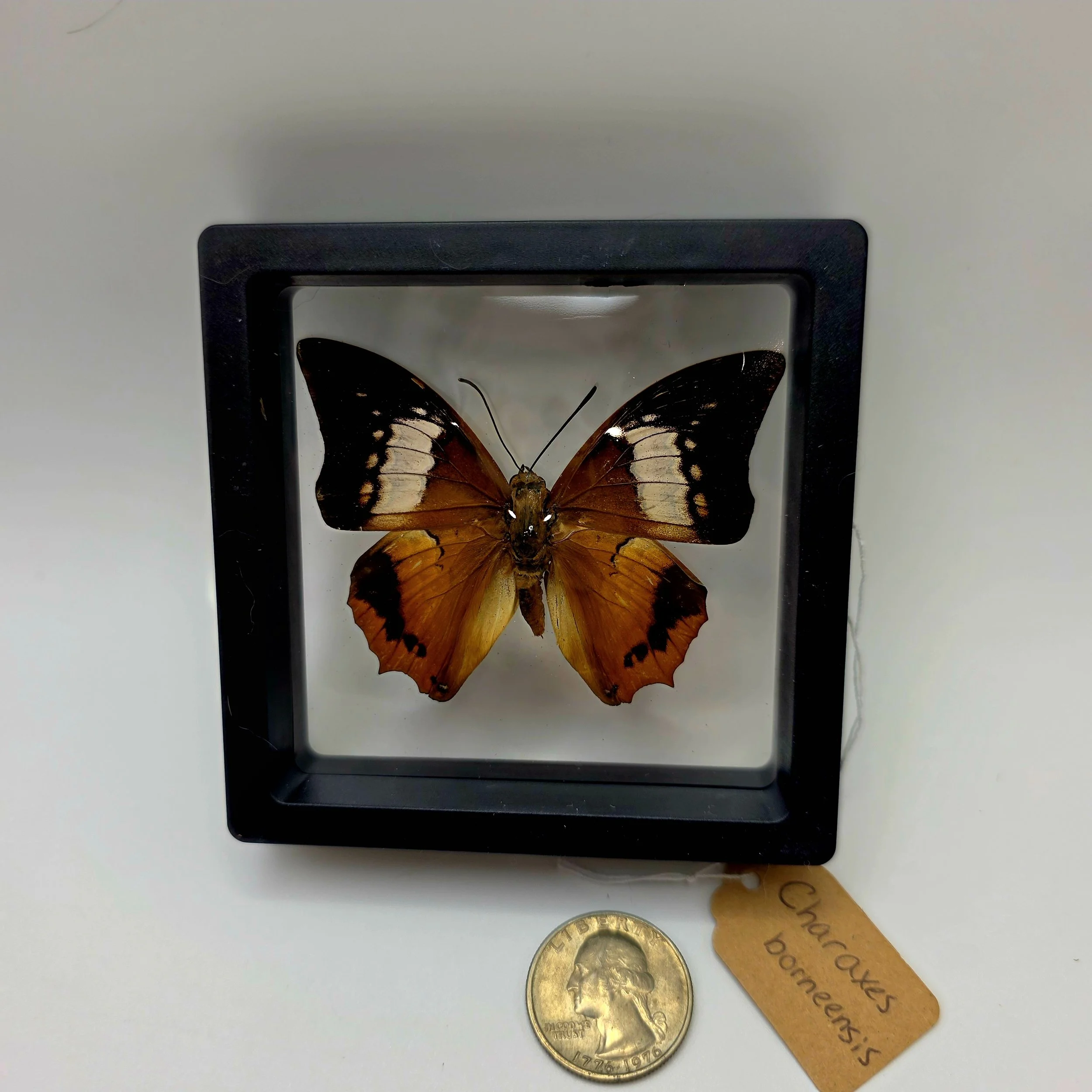
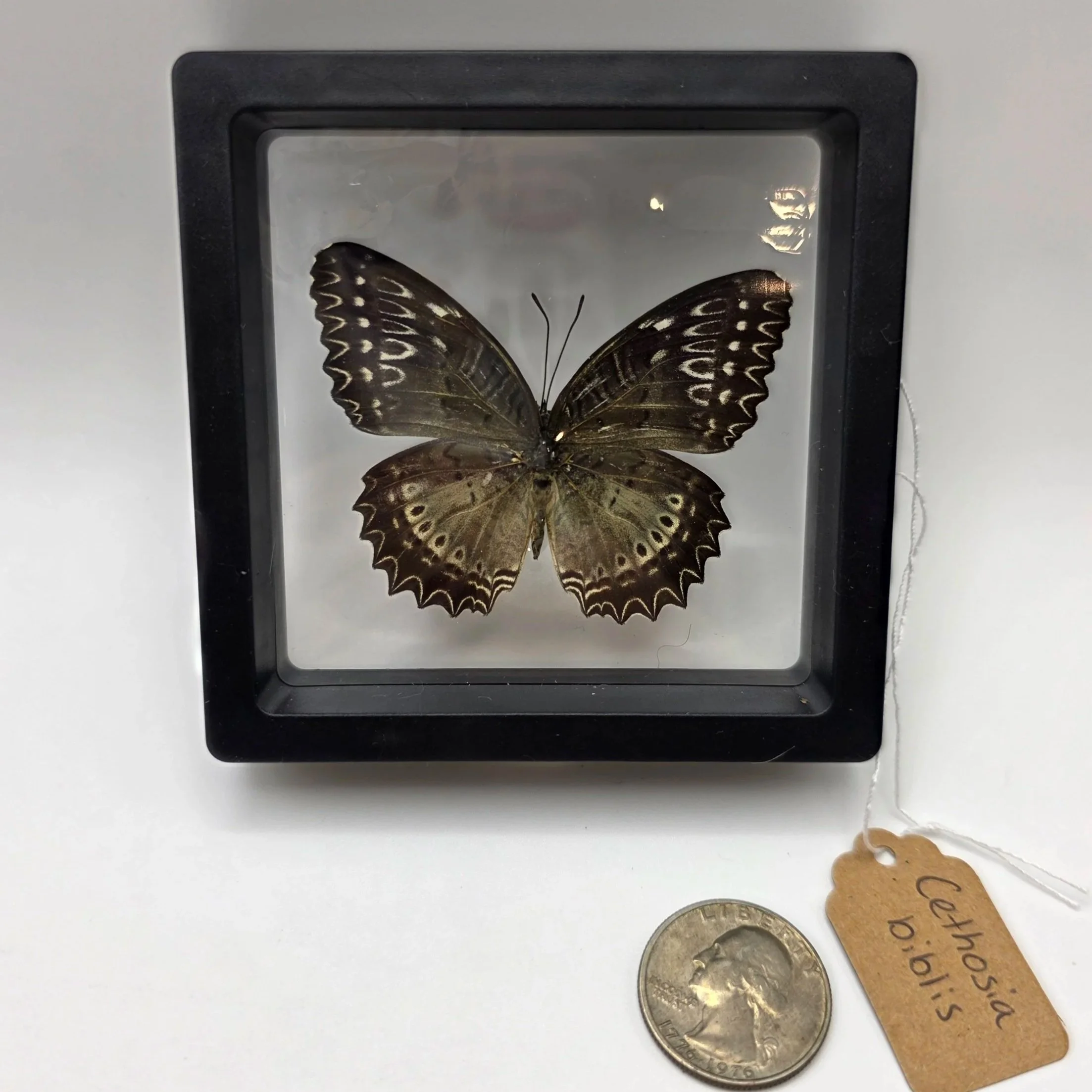
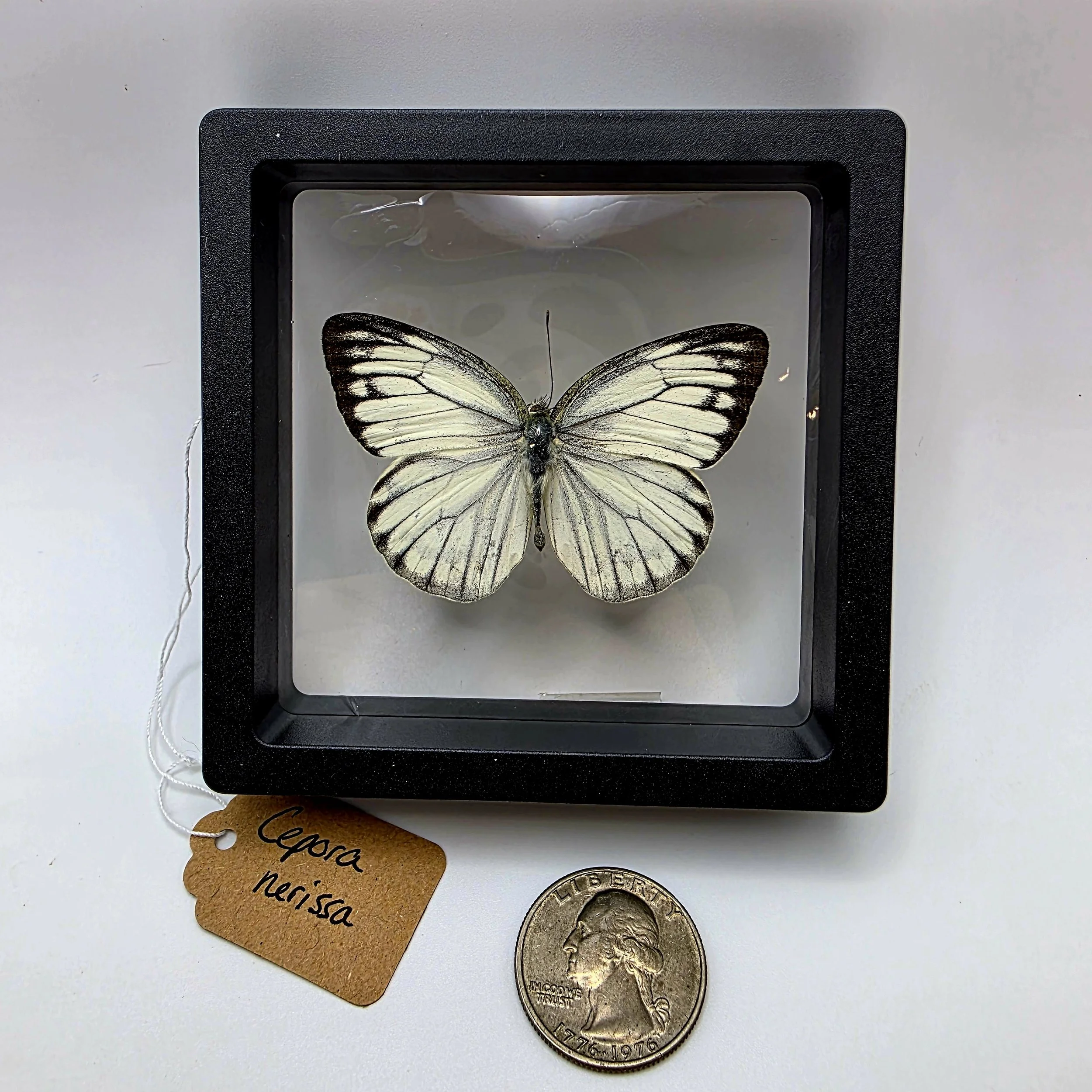
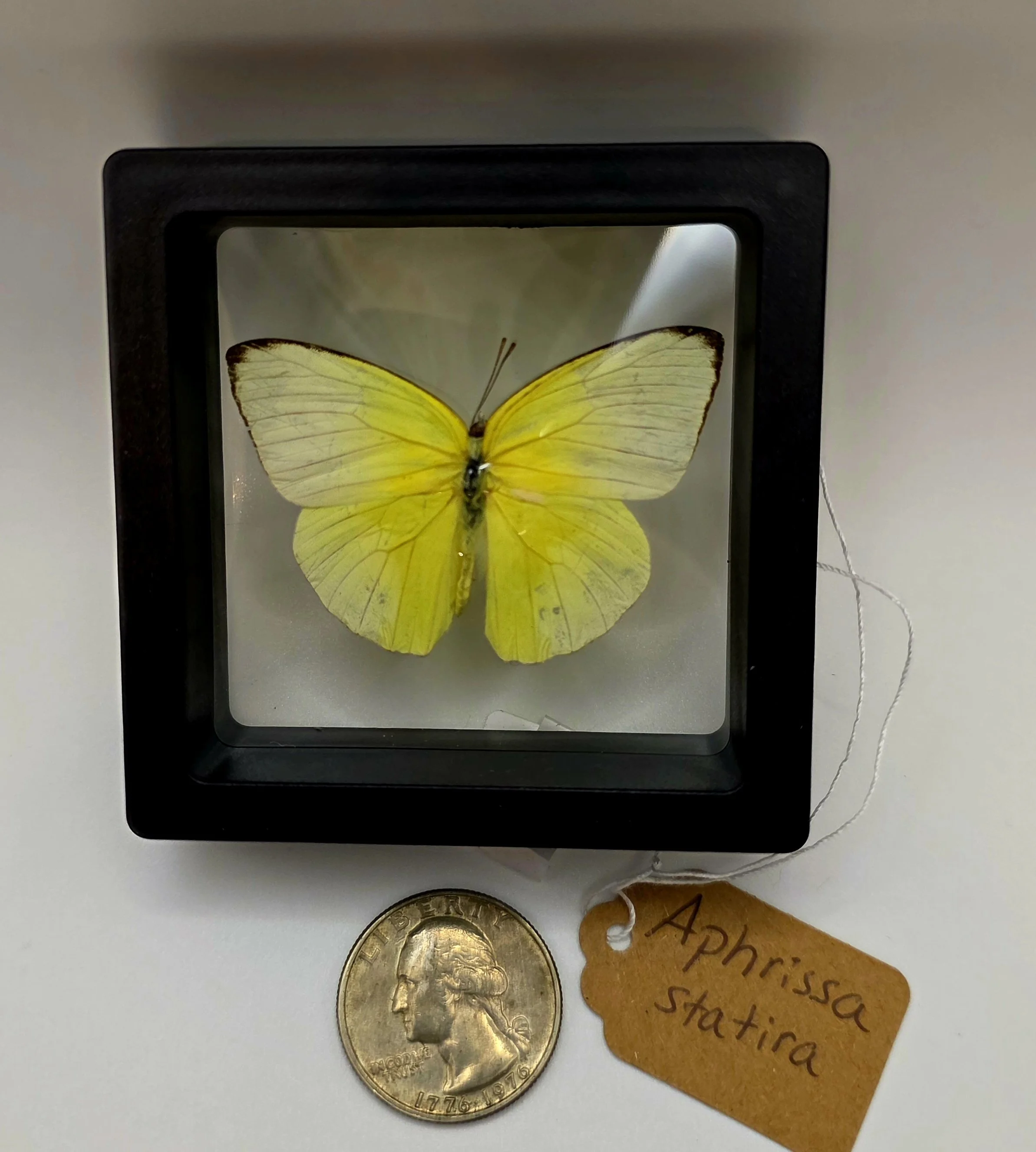
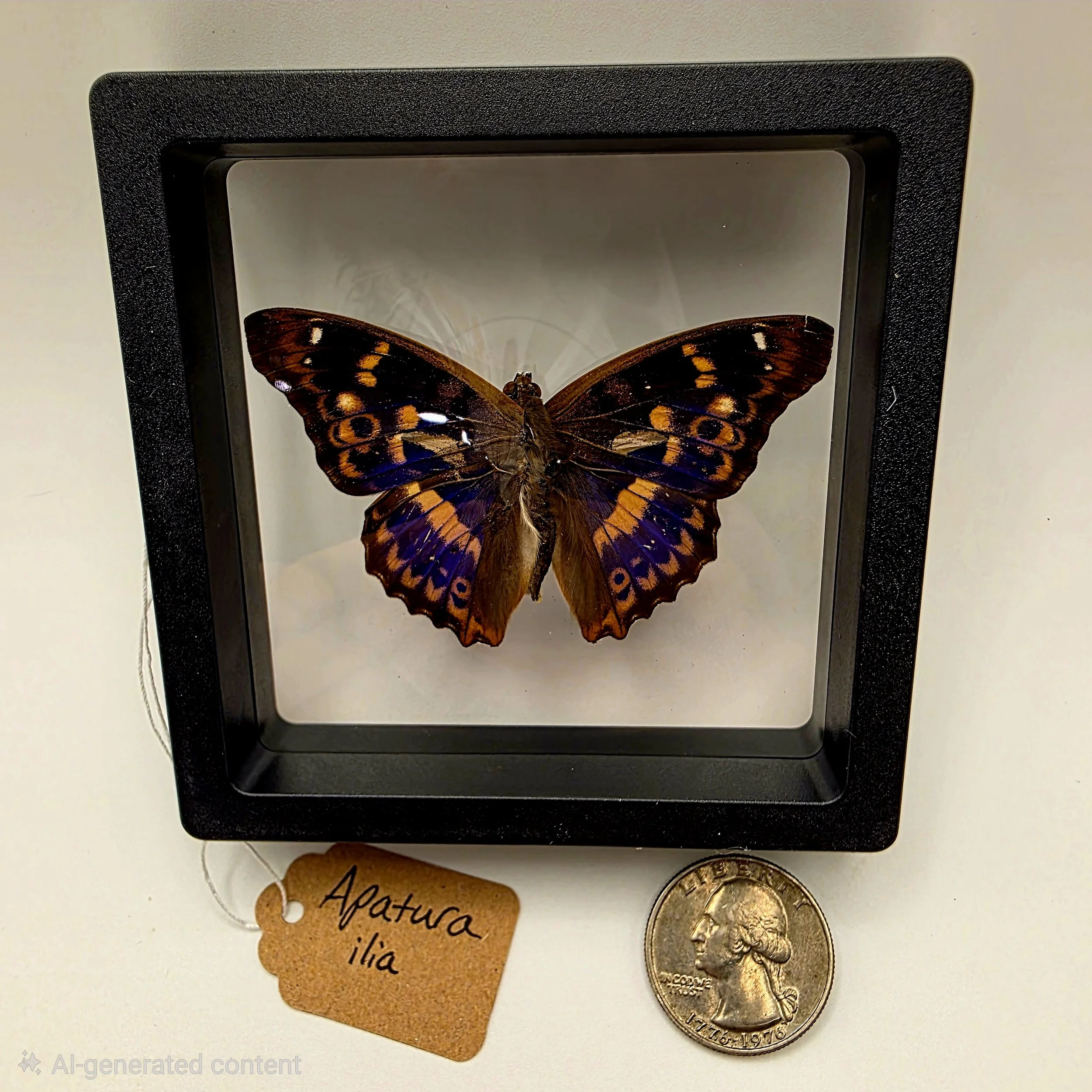
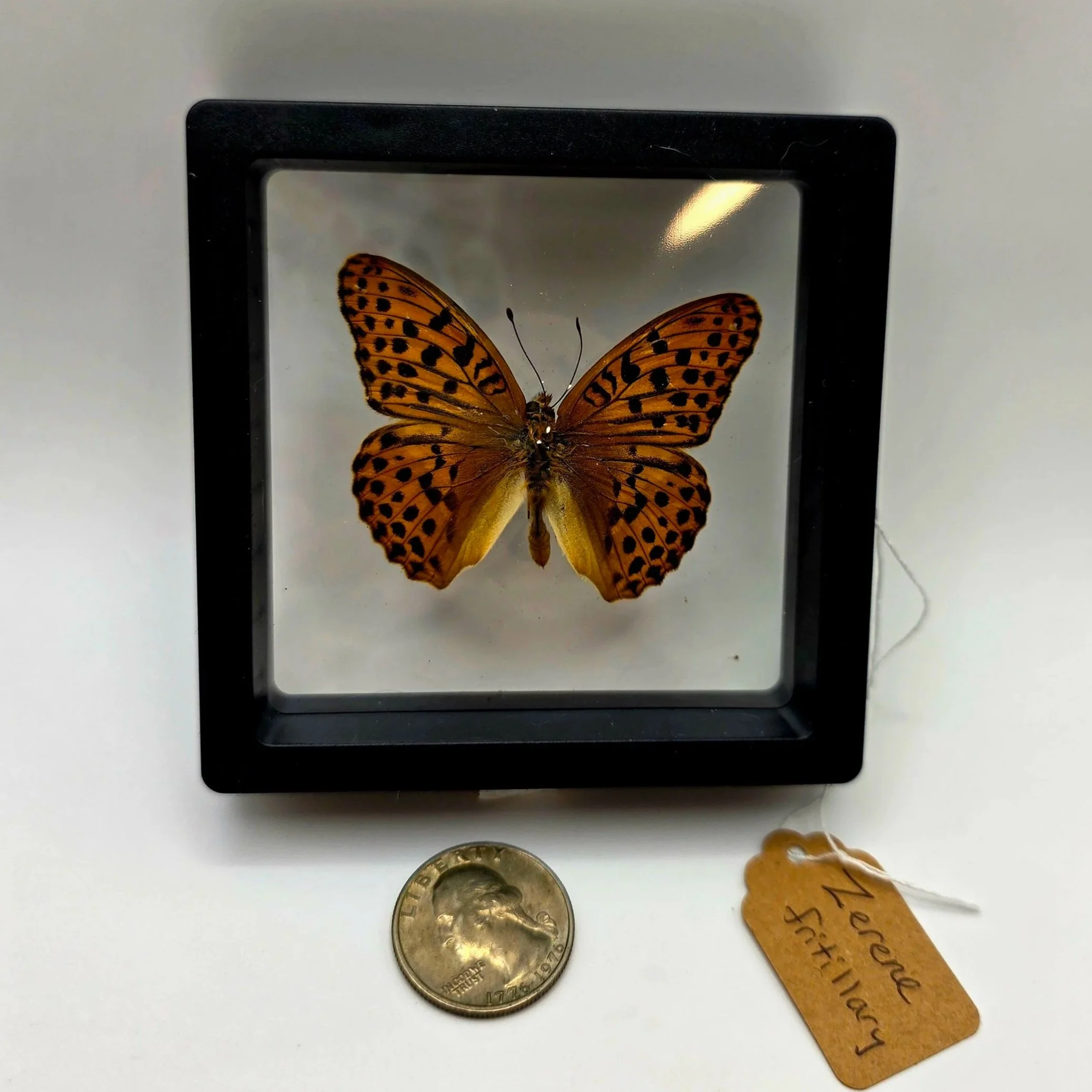
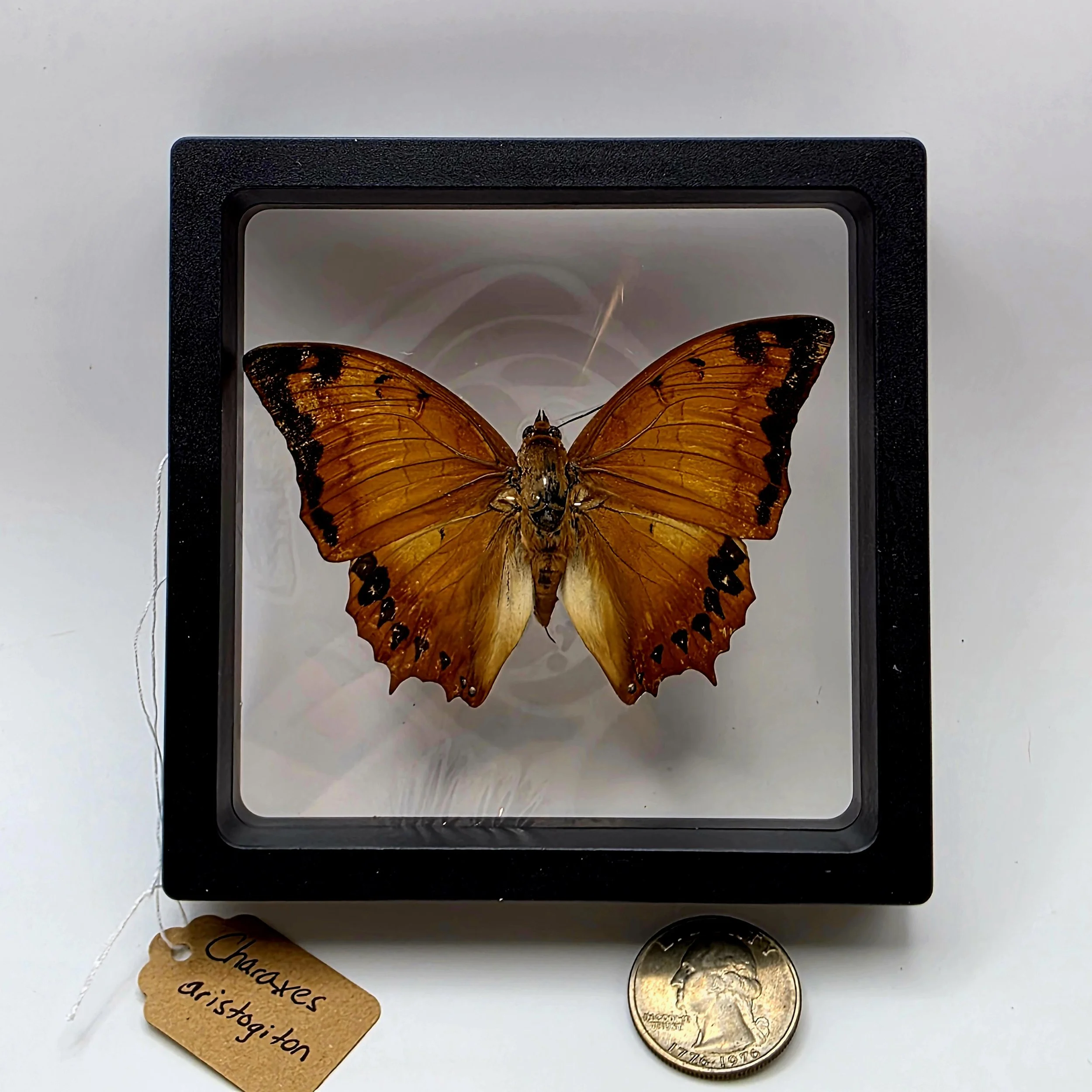
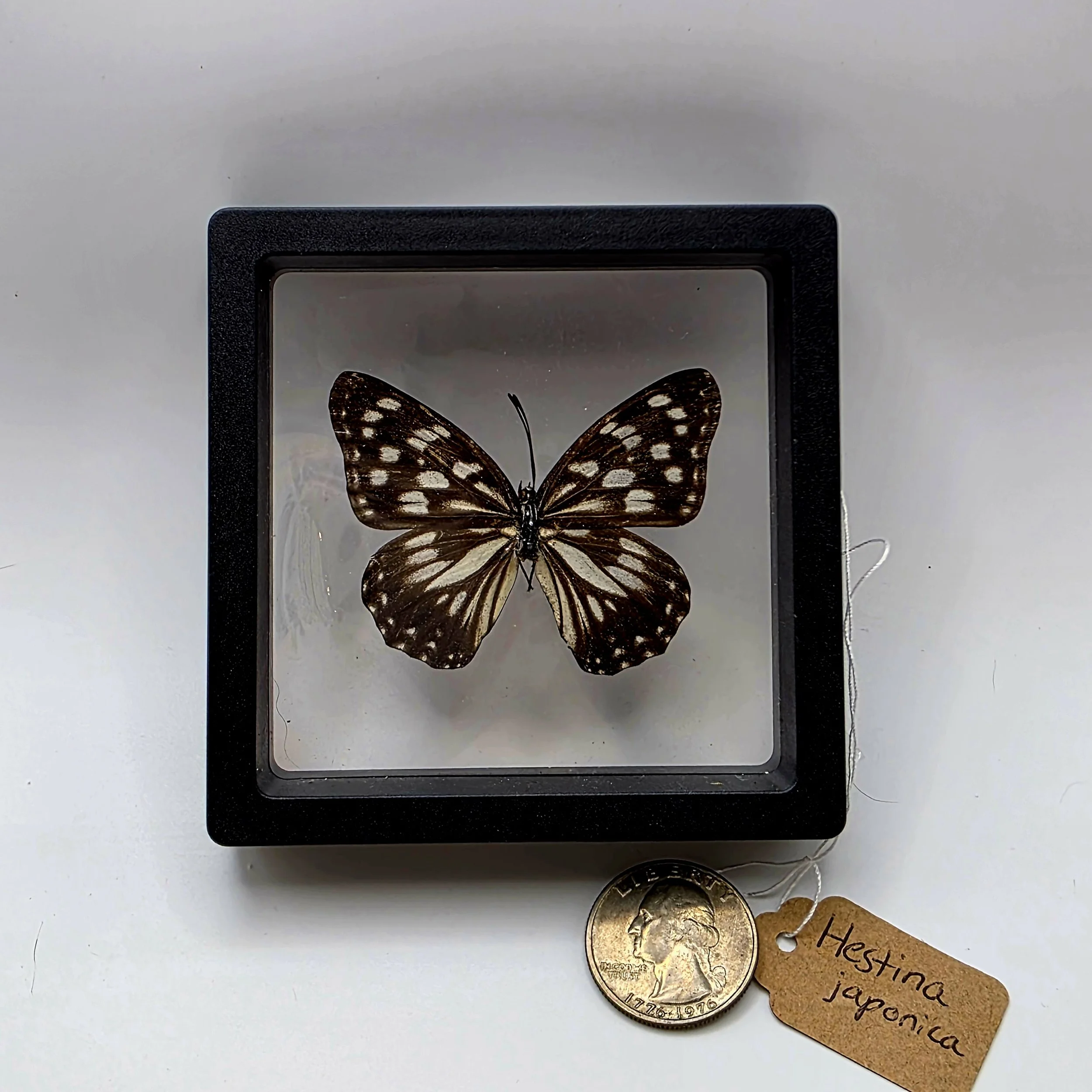
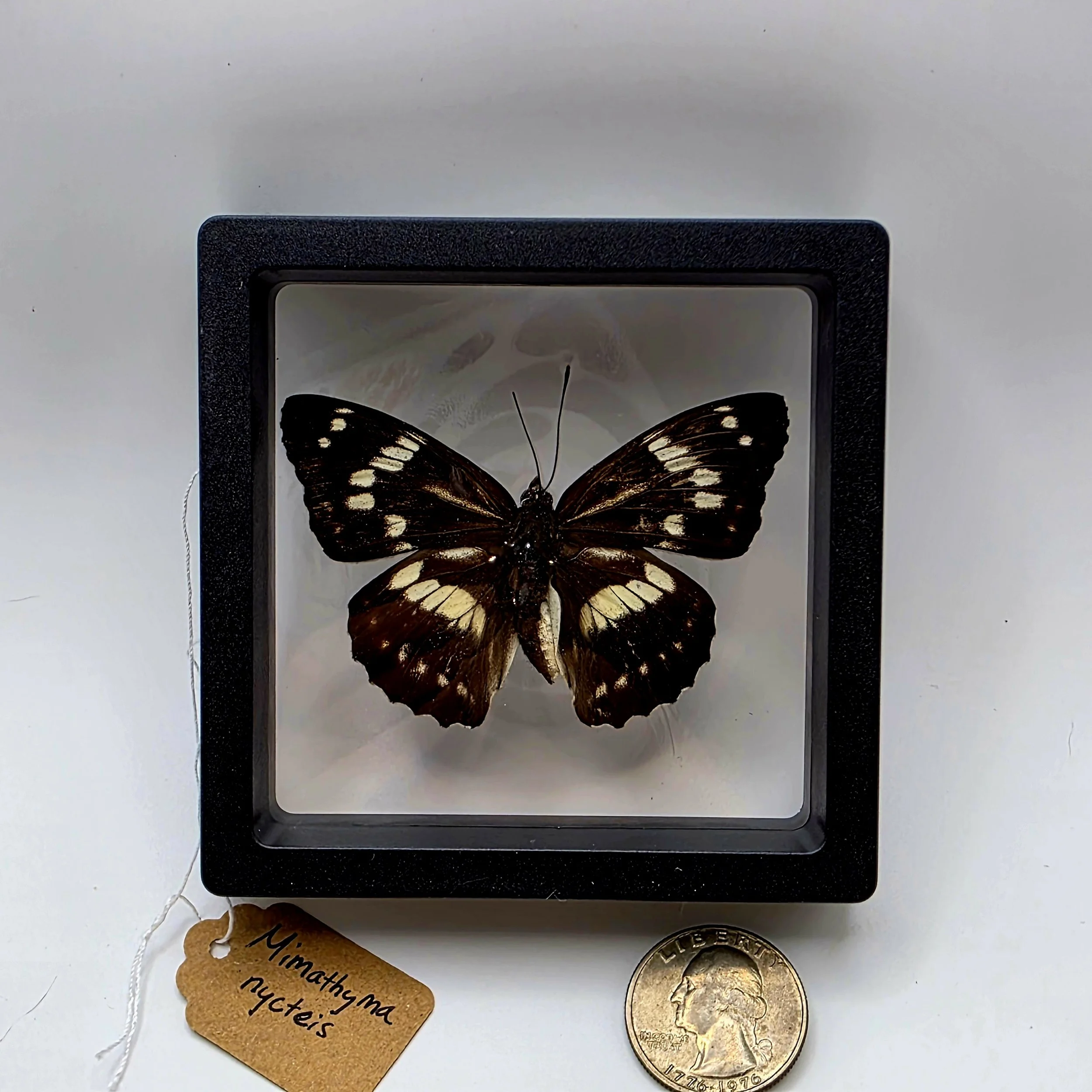
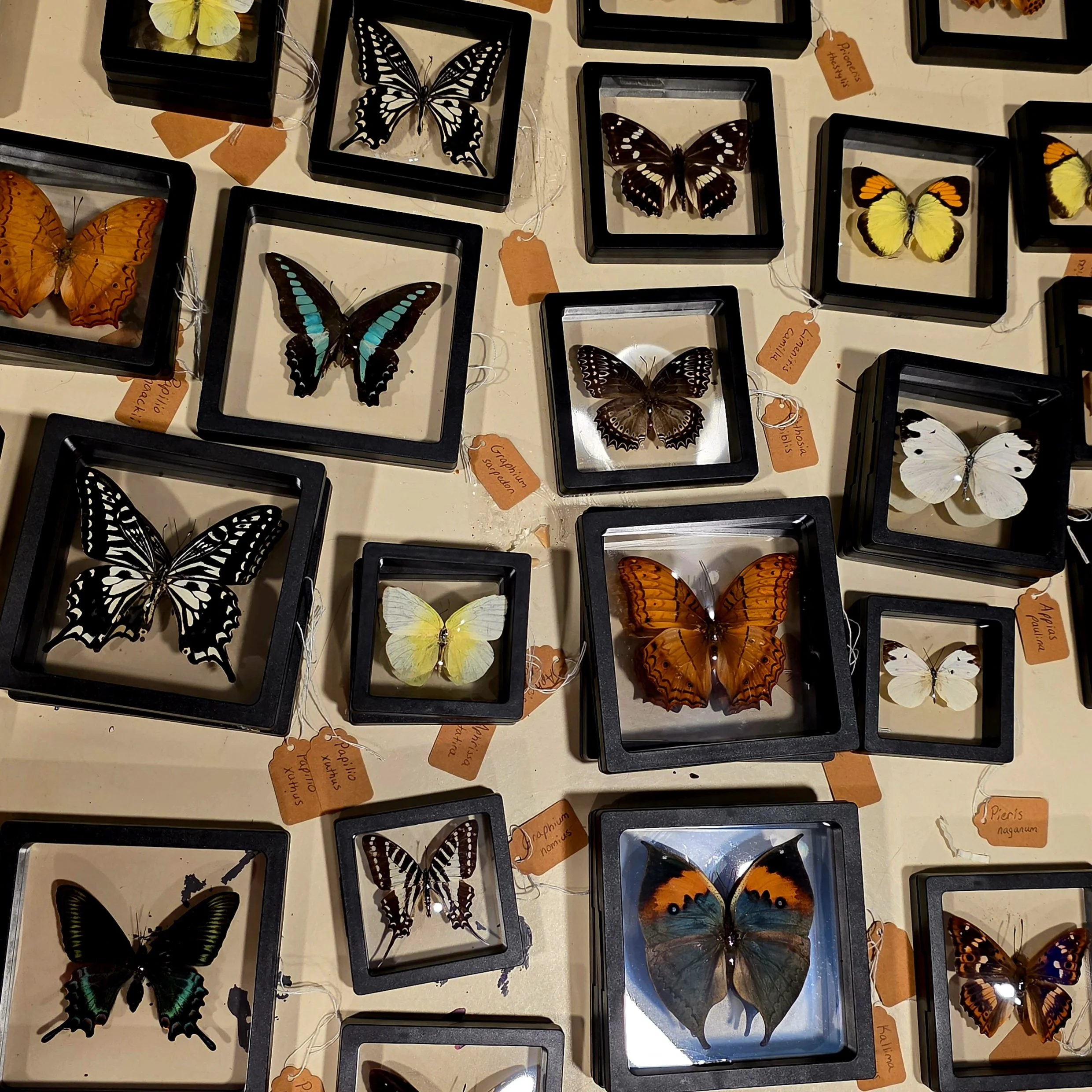
Elevate your specimen collection with our 3D Floating Frame Butterfly Display. Unlike traditional shadowboxes, this innovative double-sided frame uses durable, highly transparent flexible film to securely suspend real preserved butterflies without adhesives, pins, or glass glare.
Each frame features a unique real butterfly species, showcasing a breathtaking array of natural colors, patterns, and sizes—from vibrant oranges and bright yellow swallowtails to rich spotted and dark-winged varieties. The suspended design allows you to view both the vibrant top colors and intricate underside details of the butterfly’s wings from any angle. Lightweight, dustproof, and modern, this display box is a captivating addition to desk setups, bookshelves, curiosity cabinets, and natural history wall displays.
Key Features:
Real Preserved Specimen: Choose from a wide selection of authentic butterfly species, each carefully preserved to retain its original color and fine details.
3D Floating Effect: Dual flexible membranes hold the specimen firmly in place, creating a floating 360-degree viewable presentation.
Pinless & Glue-Free Design: Protects the delicate wings and body from damage while eliminating unsightly mounting pins or messy adhesives.
Versatile Decor: Compact and lightweight frame suitable for tabletop display, shelves, desks, or wall mounting in homes and offices.
Read all about where our butterflies come from and butterfly farming in our Field Notes!
